Chef Knife & Santoku Knife Comparison: Which Kitchen Knife Is Right for You?
A Chef Knife & Santoku Knife comparison helps home cooks choose a blade that matches their cooking style. In U.S. kitchens, both knives are popular because they handle daily tasks like cutting vegetables, preparing meat, and slicing herbs.
After years of testing kitchen knives, I have found that the right knife is less about a single winner and more about comfort, control, and technique. A well-made chef knife feels powerful, while a Santoku knife often feels quick and easy to guide.

Chef Knife vs Santoku Knife: Basic Differences Explained
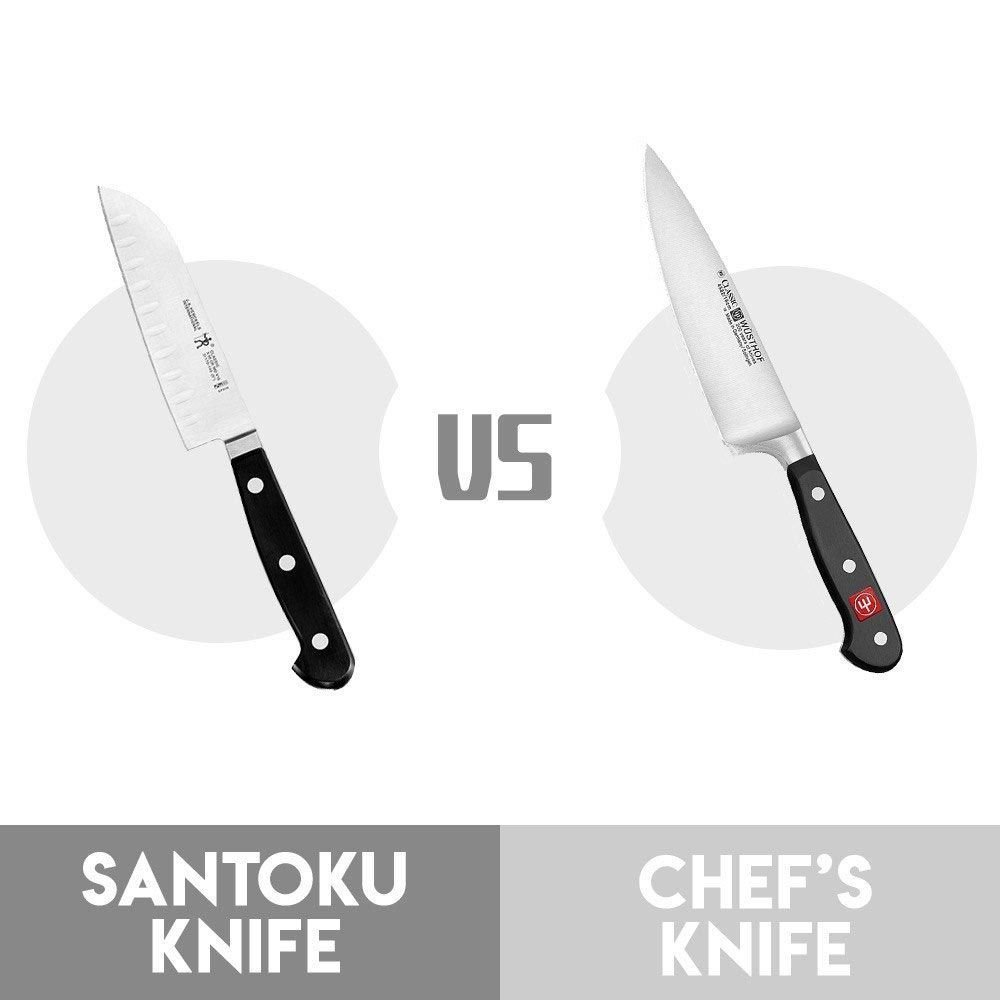
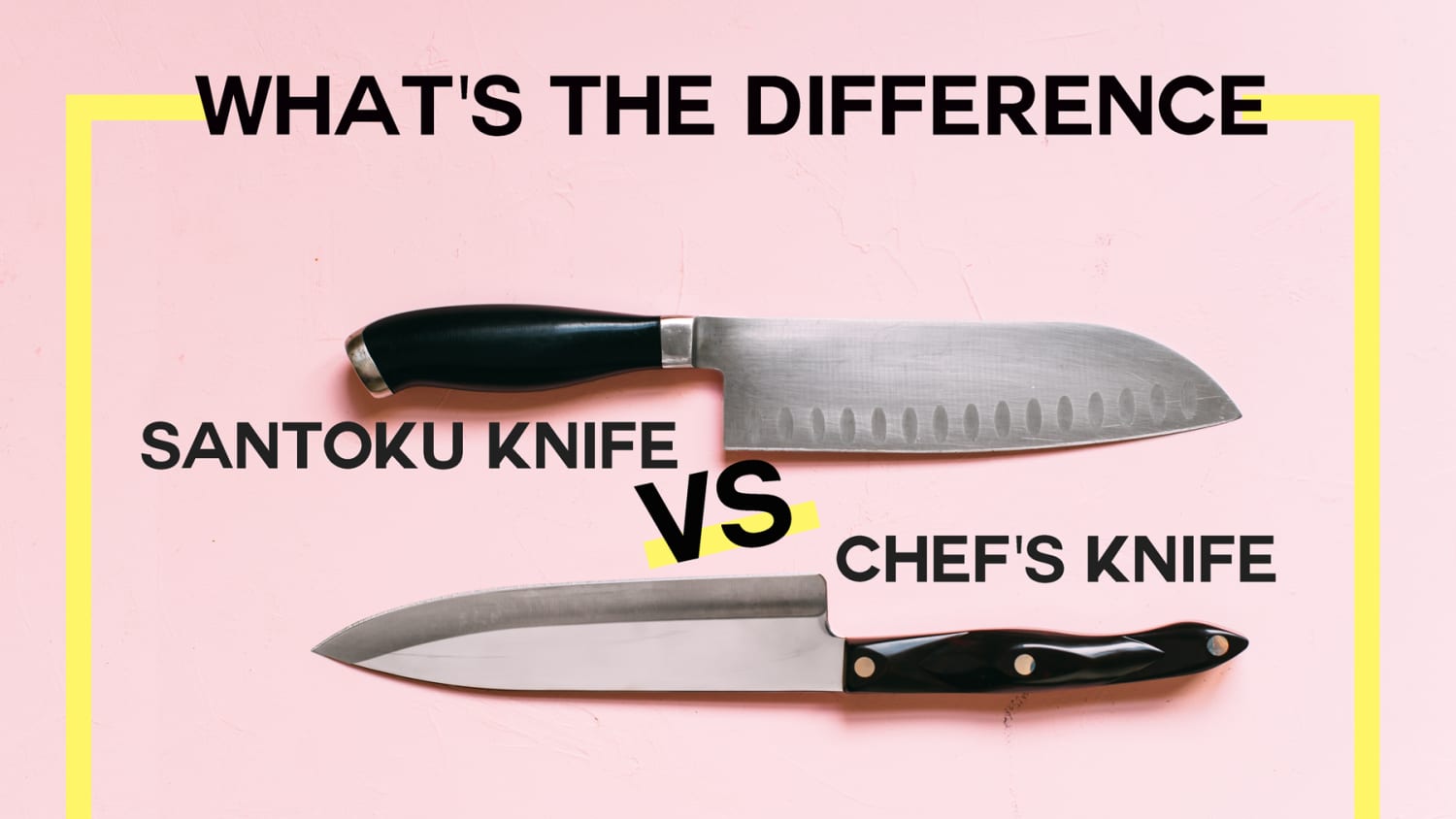
The biggest difference in this Chef Knife & Santoku Knife Comparison is the blade design. A chef knife usually has a longer, curved blade that supports a rocking motion. A Santoku knife has a shorter, flatter blade designed for controlled up-and-down cuts.
Both knives can perform many of the same tasks. The difference comes from how they feel in the hand and how they move through food.
![Santoku Knife Vs Chef Knife [Ultimate Kitchen Showdown]](https://homeunderstandable.com/wp-content/uploads/2024/12/santoku-knife-vs-chef-knife.jpg "Santoku Knife Vs Chef Knife [Ultimate Kitchen Showdown]")
- ✦ Chef knife design
A typical chef knife has a curved edge, pointed tip, and wider blade that supports chopping, slicing, and rocking cuts.
- ✦ Santoku knife design
A Santoku knife has a flatter edge, rounded tip, and lighter profile made for clean, precise cuts.
Blade Shape and Cutting Motion
Chef knives work well when you lift and roll the blade across a cutting board. Santoku knives favor straight downward cuts with less movement.
- ✦ Rocking motion
Chef knives are often preferred by cooks who chop herbs and vegetables with a forward rocking motion.
- ✦ Straight cutting
Santoku knives are comfortable for cooks who prefer simple vertical slicing movements.
Blade Size, Weight, and Handling Comparison
In this Chef Knife & Santoku Knife Comparison, size and balance play a major role. Most chef knives in American kitchens range from 8 to 10 inches, while many Santoku knives are around 5 to 7 inches.
A larger blade gives more cutting space and power. A smaller blade can feel faster and easier for cooks with smaller hands.

- ✦ Chef knife weight
Chef knives often feel heavier and provide strong control for larger ingredients like squash or large cuts of meat.
- ✦ Santoku knife weight
Santoku knives are often lighter, making them comfortable for long vegetable preparation sessions.
Comfort for Different Cooks
Knife comfort depends on grip, hand size, and personal preference. A balanced knife should feel natural without causing strain.
- ✦ Home cooks
Many home cooks enjoy Santoku knives because they are simple to control.
Performance for Common Kitchen Tasks
A useful Chef Knife & Santoku Knife Comparison should look at real cooking tasks. Both knives can chop vegetables, slice proteins, and prepare ingredients, but each has areas where it feels more natural.
Your daily meals should guide your choice. A person who cooks many large meals may prefer the reach of a chef knife, while a vegetable-focused cook may enjoy a Santoku.
- ✦ Vegetable preparation
Both knives perform well, but Santoku knives are especially comfortable for thin slices and quick dicing.
- ✦ Meat preparation
Chef knives often provide better control for larger cuts and tasks that need a strong blade.
- ✦ Herb chopping
Chef knives are excellent for rocking through herbs, while Santoku knives offer clean repeated cuts.
Which Knife Is Better for Beginners?
Beginners should choose the knife that feels safest and most comfortable. Learning good technique matters more than the knife style itself.
- ✦ Beginner friendly choice
A Santoku knife may feel easier for beginners because of its lighter weight and simple cutting style.
Maintenance, Sharpening, and Durability
Knife care is an important part of any Chef Knife & Santoku Knife Comparison. Both knives need regular sharpening, safe storage, and careful washing to maintain performance.
A sharp knife is safer because it needs less force. Clean cuts also help protect food texture during preparation.
- ✦ Sharpening needs
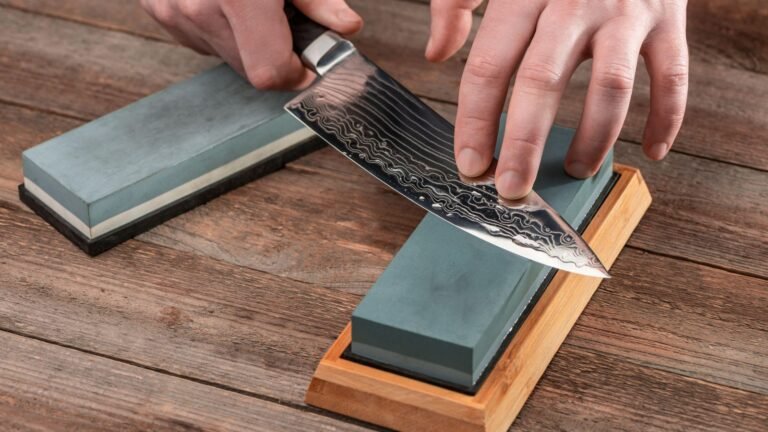
Both knife types benefit from regular sharpening with a whetstone or quality sharpener.
- ✦ Storage habits
Knife blocks, magnetic strips, or blade guards help protect edges.
Steel Type Matters
The steel quality often affects edge retention, rust resistance, and maintenance needs more than the knife style alone.
- ✦ High carbon steel
It can hold a sharp edge well but may need more care.
- ✦ Stainless steel
It is easier for many home cooks because it resists corrosion.
How to Choose Between a Chef Knife and Santoku Knife
The final step in a Chef Knife & Santoku Knife Comparison is matching the knife to your routine. Think about the foods you prepare most, your preferred cutting motion, and how the knife feels after several minutes of use.
Many experienced cooks keep both knives because they serve different purposes. A chef knife can handle broad tasks, while a Santoku can provide speed and precision.

- ✦ Choose a chef knife if
You want one all-purpose knife for meat, vegetables, herbs, and larger kitchen tasks.
- ✦ Choose a Santoku if
You prefer a lightweight knife for vegetables, slicing, and precise everyday cooking.
Can You Own Both?
Yes. Many cooks use a chef knife for heavy work and a Santoku knife for fast preparation. Together, they cover most home cooking needs.
- ✦ Flexible kitchen setup
Using both knives allows you to choose the best tool for each task.