Microwave Vent Filter: Ultimate Replacement Guide
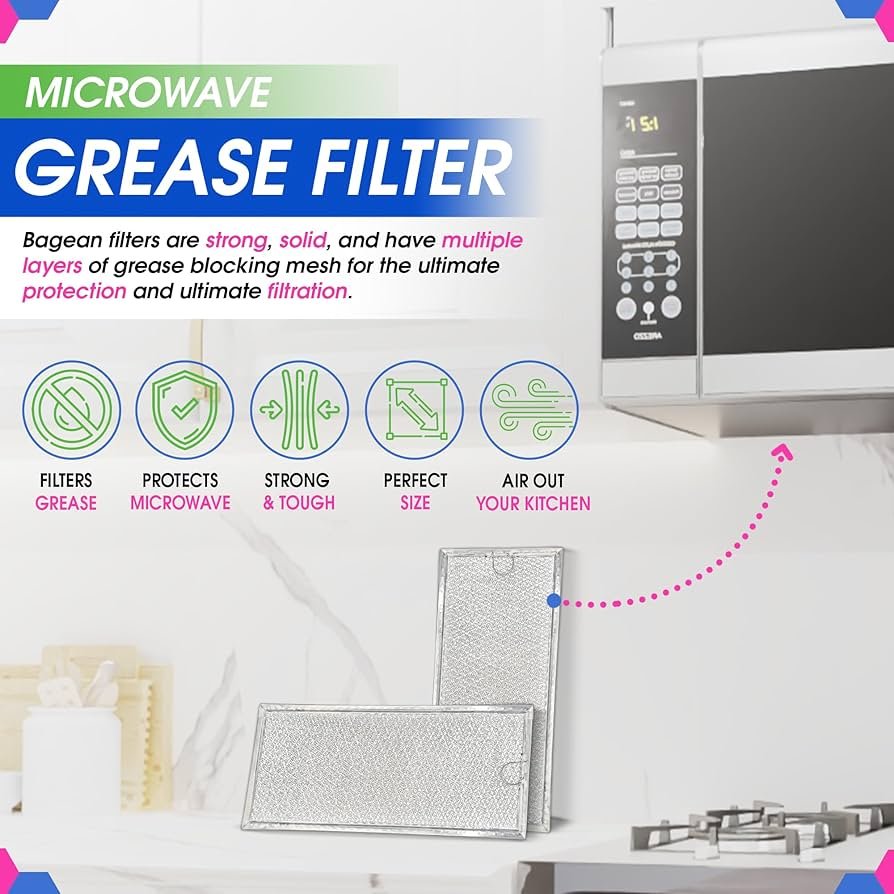
Microwave vent filters trap grease, odors, and smoke to keep your kitchen air clean.
I write about kitchen gear and home care. I have fixed vents, changed filters, and tested many microwaves. This guide covers what a microwave vent filter is, how it works, when to clean or replace it, and how to pick the right one. Read on to learn simple tips, real-world advice, and common mistakes to avoid.
What is a microwave vent filter?
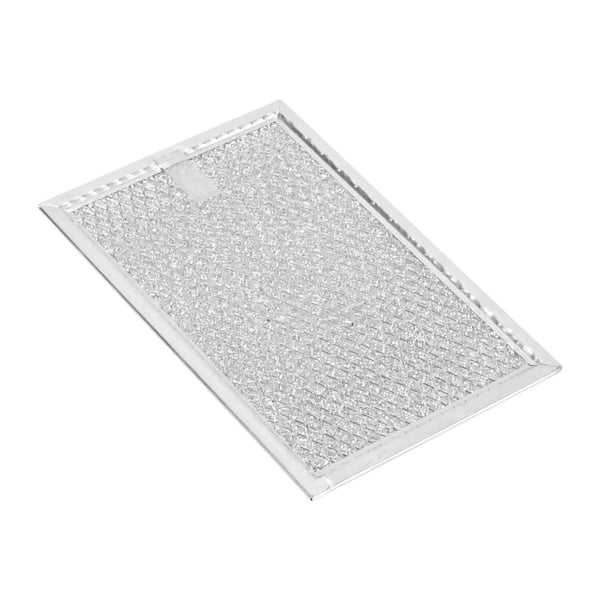
A microwave vent filter is a small part that captures grease and particles from cooking air. It sits in the vent area above or inside a microwave. The filter helps stop oil and smell from spreading through your home. Most vents use either a charcoal filter for odors or a mesh metal filter for grease.

How a microwave vent filter works
A microwave vent filter works in two main ways. Mesh filters catch grease and large particles. Charcoal filters trap odors and small gases. Many microwaves use both types in a vent system. Air moves through the filter and leaves cleaner air behind.

Types of microwave vent filters
You will see a few common types of microwave vent filters.
- Mesh metal filters: Catch grease. They are washable and reusable.
- Charcoal or carbon filters: Trap smells. They are not washable and need replacement.
- Combination filters: Use mesh and charcoal together for both grease and odor control.
- Disposable panel filters: Found in some compact units. Replace them often for best results.

Materials, sizes, and fit
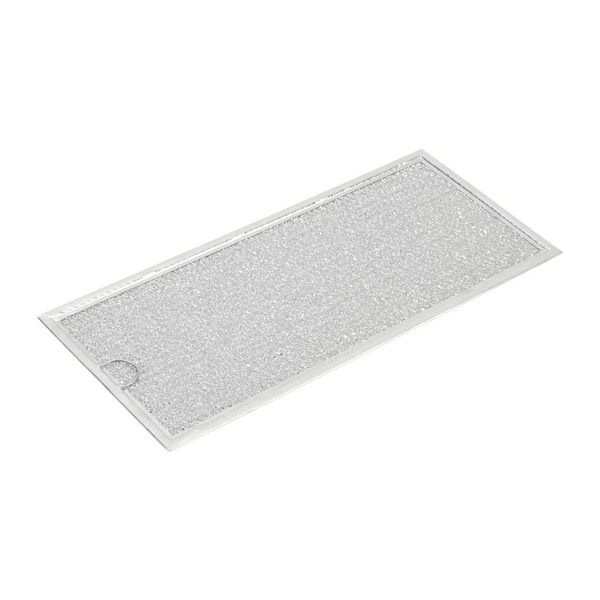
Microwave vent filters come in many shapes and sizes. Sizes match the microwave model or hood. Materials include aluminum mesh, stainless mesh, and activated carbon pads. Always check your microwave manual or measure the slot to find the right size. A wrong fit reduces airflow and hurts performance.
How to clean and maintain a microwave vent filter
Cleaning is simple for metal mesh filters. Remove the filter from the microwave. Soak it in hot water with dish soap for 10–15 minutes. Use a soft brush to remove trapped grease, rinse, and air dry completely before reinstalling.
Charcoal filters cannot be washed. Replace them every 3 to 6 months, or sooner if smell returns. Wipe the vent housing regularly with a damp cloth. This keeps the vent area free from grease build-up and helps the filter last longer.
When to replace a microwave vent filter
Replace filters when cleaning no longer removes bad smells or grease build-up. Mesh filters that are torn or warped need replacement. Charcoal filters lose effectiveness over months and must be replaced on schedule. If your microwave vent sounds strained or smells persist, change the filter.
Buying guide: choosing the right microwave vent filter
Pick a filter that fits your model and meets your needs.
- Match size and shape: Measure the slot or check model numbers.
- Choose material: Get metal mesh for grease and charcoal for odor.
- Check quality: Thicker mesh and higher-grade carbon last longer.
- Look for easy access: Filters that slide out make cleaning simple.
- Consider cost over time: Reusable mesh can save money versus frequent disposables.
I once bought a cheap universal filter that barely fit. It rattled and cut airflow. Learn from that: measure twice and buy once.
Installation tips and common mistakes
Most installs are quick and tool-free. Turn off power to the microwave if you feel unsure. Slide or clip the filter into place until it clicks. Test the fan and watch for noise or gaps.
Avoid these common mistakes.
- Forcing the wrong size filter into the slot.
- Skipping cleaning for months.
- Using water on charcoal filters.
- Ignoring strange smells or noises that signal a clogged filter.
Troubleshooting and performance tips
If vents smell after cooking, try these steps.
- Clean the mesh filter and housing first.
- Replace the charcoal filter if present.
- Run the fan for a few minutes after cooking to clear air.
- Check ductwork for blockages if the vent goes outside.
If airflow is weak, inspect the fan and vent path. Grease can clog the duct. A blocked external vent often needs professional cleaning.
Environmental and health considerations
A clean microwave vent filter reduces airborne grease and lingering odors. That lowers indoor pollution and can help people with odor sensitivities. Proper disposal matters for charcoal filters. Recycle metal mesh filters where possible to reduce waste. Choosing reusable mesh filters reduces landfill waste over time.
Personal tips and lessons learned
From my years fixing kitchens, a few tips stand out.
- Keep spare charcoal filters on hand for quick swaps.
- Clean mesh filters monthly if you cook often.
- If your microwave has poor access, make a maintenance routine and stick to it.
- Label replacement dates on filters with a marker. It saves guesswork.
I once delayed replacing a charcoal filter and the kitchen smelled like burnt oil for days. A quick swap fixed the problem fast.
Cost and lifespan
Expect different costs and lifespans based on type.
- Mesh metal filters cost less and last years with care.
- Charcoal filters cost more over time because they need replacement every few months.
- Combination filters have mixed costs depending on model.
Budget for replacements if you cook daily. Regular care extends life and lowers long-term costs.
How to find the right replacement part
Start with your microwave model number or manual. Many manufacturer sites list part numbers and sizes. If you do not have the manual, measure the filter opening carefully. Use those measurements to search for exact-fit or high-quality universal options.
Frequently Asked Questions of microwave vent filter
What does a microwave vent filter do?
A microwave vent filter captures grease, smoke, and odors from cooking. It protects the vent fan and keeps kitchen air cleaner. This helps reduce buildup in ducts and nearby surfaces.
How often should I clean a mesh microwave vent filter?
Clean metal mesh filters every 1 to 3 months depending on use. If you cook daily or fry often, clean them monthly. Regular cleaning keeps airflow strong and stops smells.
Can I wash a charcoal microwave vent filter?
No. Charcoal filters are not washable. Washing removes the activated carbon and reduces odor control. Replace them every 3 to 6 months or sooner if smells return.
Will a clogged microwave vent filter cause damage?
Yes. A clogged filter reduces airflow and stresses the fan. That can shorten the fan motor life or cause overheating. Replace or clean filters to prevent damage.
How do I know the right size for a replacement filter?
Check the microwave manual or measure the filter slot length and width. Note the shape and thickness as well. Use exact measurements to find a proper fit.
Can I use a universal filter instead of a brand filter?
Yes, some universal filters work well if they match size and shape. Poorly fitting universal filters can rattle and reduce airflow. Always confirm fit before final purchase.
Conclusion
A good microwave vent filter keeps your kitchen air cleaner and your microwave working well. Clean mesh filters often, replace charcoal filters on schedule, and choose the right size for best results. Start a simple maintenance habit today and you will avoid smells, clogs, and costly repairs. Try cleaning or replacing your filter this week and share your results or questions below.