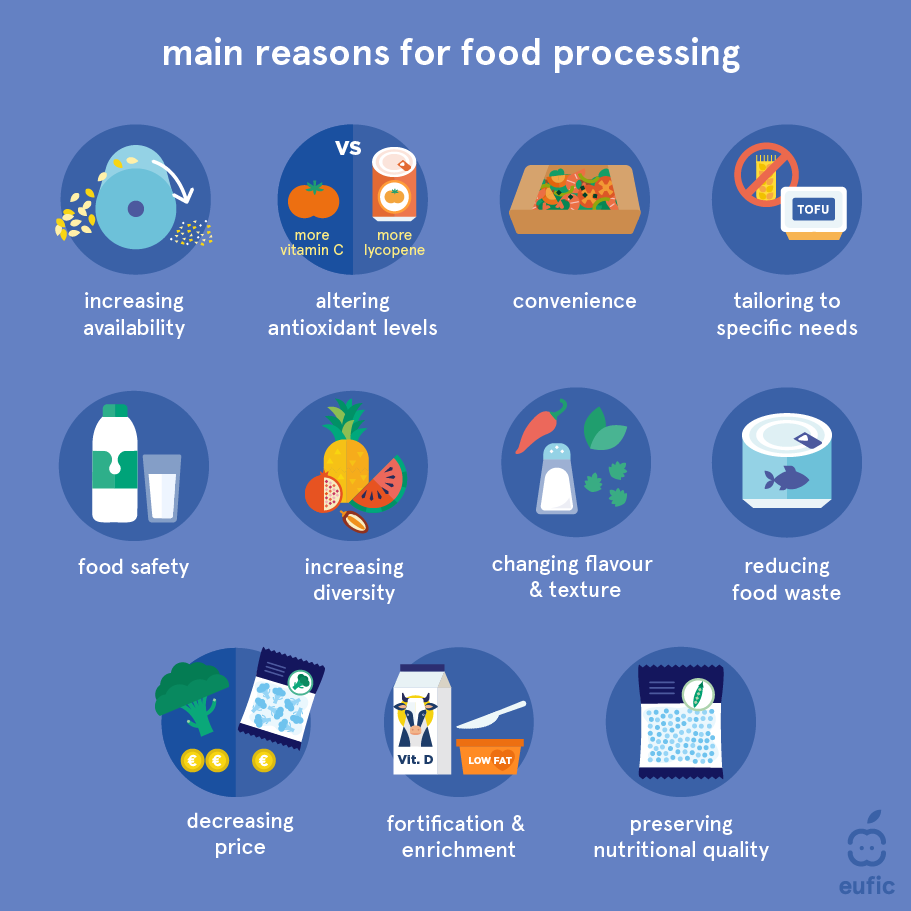
Food Processing Benefits: Why Processing Matters for Safety, Nutrition, Storage, and Daily Life
Food processing is part of everyday life in the United States. Washing, cutting, freezing, cooking, drying, fermenting, canning, and pasteurizing are all forms of food processing. Even simple steps at home can change raw food into a safer or more useful form.
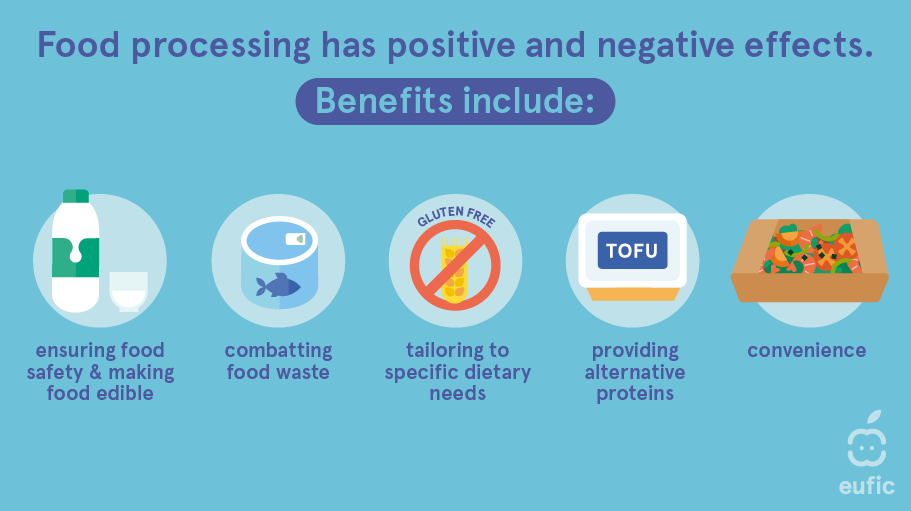
The Food Processing Benefits become clearer when we look beyond the idea that all processed food is unhealthy. Processing is a broad term. Frozen vegetables, canned beans, pasteurized milk, whole-grain bread, yogurt, and heavily sweetened snacks can all be called processed foods, yet they have very different nutrition profiles.
From a food production view, the goal is often simple: keep food safe, slow spoilage, protect quality, and make food easier to use. The best approach is not to avoid processing altogether. It is to understand what a process does and how the final food fits into a balanced diet.
What Is Food Processing?
Food processing means changing food from its natural state through physical, chemical, or biological steps. The change may be very small, such as washing and cutting, or more complex, such as fermenting, canning, or making cheese.
Some food processing happens at home. Chopping a tomato, baking bread, boiling beans, or freezing berries all involve processing. Commercial food processing uses similar ideas on a larger scale, often with strict controls for safety and quality.
Understanding this broad definition is important when discussing Food Processing Benefits. A food does not become unhealthy simply because it has been processed. What matters is the type of processing, the ingredients added, the amount eaten, and the role of the food in the overall diet.
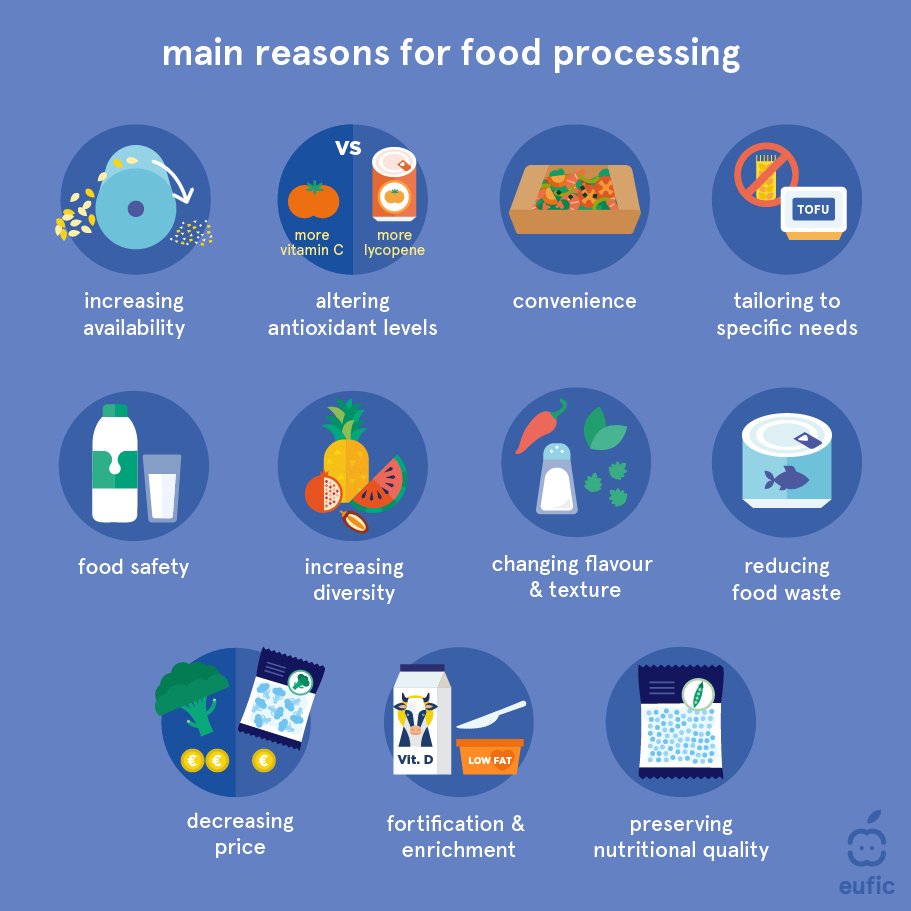
- ✦ Minimal processing
This may include washing, trimming, cutting, freezing, or drying food with little change to its basic form.
- ✦ Preservation processing
Canning, pasteurization, freezing, chilling, drying, and other methods help slow spoilage and control harmful microbes.
- ✦ Recipe and ingredient processing
Foods can be mixed or changed to make products such as yogurt, cheese, bread, sauces, and soups.
- ✦ Highly formulated foods
Some products contain several added ingredients and may be designed for taste, texture, long storage, or quick use.
Why the Level of Processing Matters
The phrase processed food covers a very large range of products. A bag of frozen spinach and a sugary snack may both be processed, but they are not nutritionally equal. Looking at the ingredient list and Nutrition Facts label gives a clearer picture than the word processed alone.
- ✦ Check the whole food
Ask what the main food is and how closely the final product still resembles it.
- ✦ Check added ingredients
Look at added sugar, sodium, saturated fat, and other ingredients that may affect the food’s health value.
Food Processing Benefits Food Safety
One of the most important Food Processing Benefits is better food safety. Many processing methods reduce or control harmful microorganisms that can cause foodborne illness. Heat treatment, pasteurization, cooking, and proper canning are common examples.
Pasteurization uses controlled heat to reduce harmful microbes in foods such as milk and some juices. Canning also uses controlled heat and sealed containers to make many foods safe for longer storage when the process is done correctly.
Processing does not remove every food safety risk. Food can still become unsafe during storage, transport, preparation, or handling. Good processing must work together with clean equipment, proper temperatures, safe packaging, and clear handling instructions.
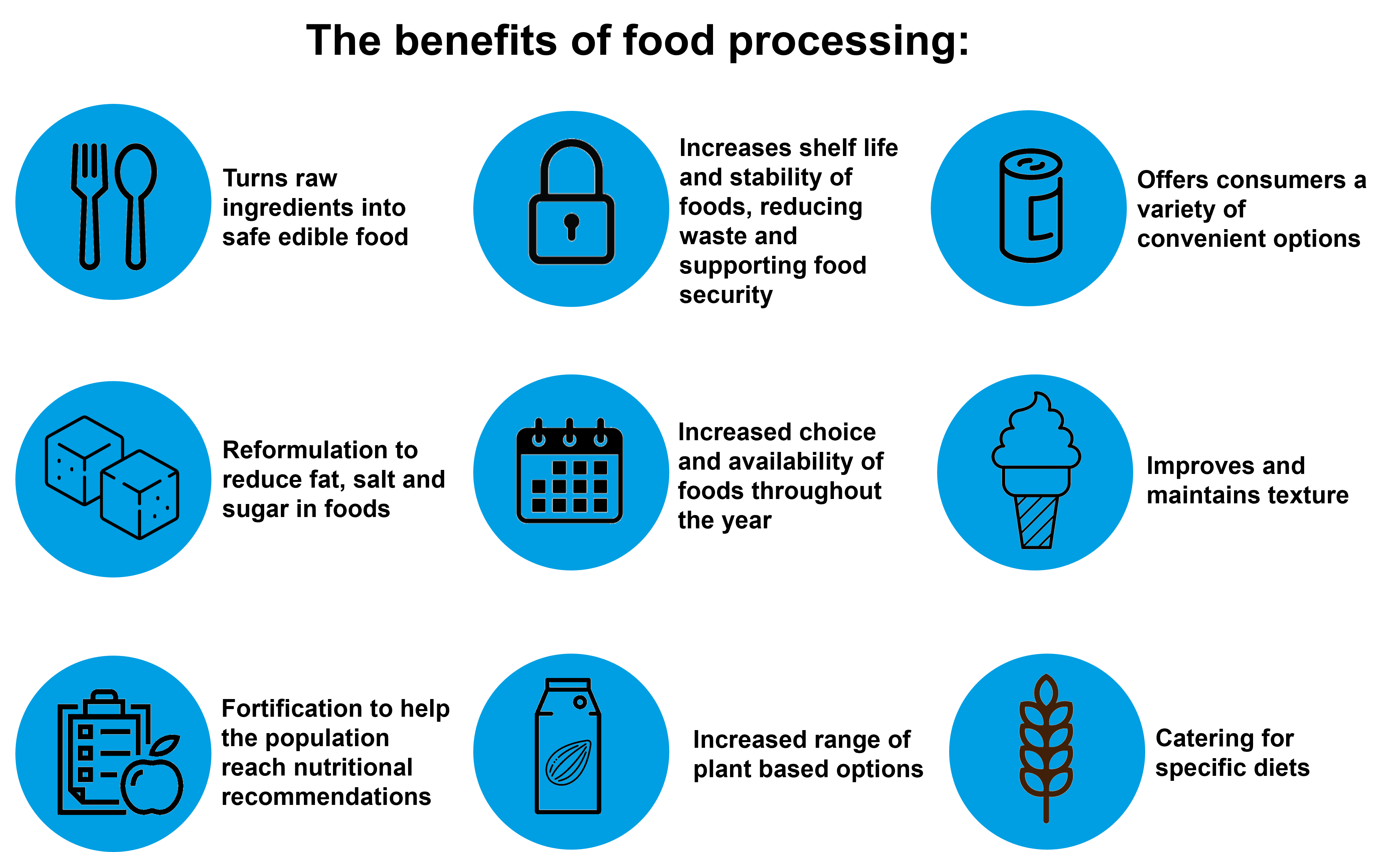
- ✦ Pasteurization
Controlled heat can reduce harmful microorganisms while keeping the food suitable for normal use.
- ✦ Canning
Heat and sealed packaging can help protect food from microbes and outside contamination when proper methods are used.
- ✦ Cooking
Cooking can make many foods safer by reducing harmful microorganisms and changing the food into an edible form.
- ✦ Fermentation
Useful microbes can change food and create conditions that help preserve products such as yogurt and some fermented vegetables.
How Processing Controls Microbes
Microbes need suitable conditions to grow. Heat can destroy or reduce many microbes, while chilling and freezing slow their growth. Drying removes water that many microbes need, and some preservation methods use salt, acid, or controlled fermentation to make growth harder.
- ✦ Heat
Cooking and heat treatment can reduce harmful microorganisms.
- ✦ Cold
Refrigeration and freezing slow many forms of microbial growth.
- ✦ Low moisture
Drying lowers available water and helps many foods stay stable for longer.
Food Processing Benefits Shelf Life and Food Preservation
Fresh food can spoil quickly. Processing can slow this process and extend shelf life. Freezing, drying, canning, pasteurization, refrigeration, and fermentation can help people keep food for days, weeks, months, or even longer, depending on the product and method.
Longer shelf life can be useful for busy households. A person may keep frozen vegetables, canned beans, dried grains, or shelf-stable milk at home and use them when needed. This can make meal planning easier and reduce the chance that food spoils before it is eaten.
Food preservation also matters far beyond the home. Producers, stores, schools, hospitals, restaurants, and food banks need ways to keep food safe and useful while it moves through the supply chain.

- ✦ Freezing
Freezing slows microbial growth and many chemical changes, helping many foods stay usable for longer.
- ✦ Drying
Drying removes much of the water from food, which can greatly extend storage life.
- ✦ Canning
Canning creates a sealed product that can remain stable for a long time when processed and stored correctly.
- ✦ Fermentation
Controlled fermentation can preserve foods while also changing their flavor, texture, and other properties.
Why Longer Shelf Life Helps Households
Longer shelf life can give families more flexibility. It can also help people buy food less often, keep useful staples on hand, and plan meals around work and school schedules. The key is still to follow storage instructions and use foods within safe time limits after opening.
- ✦ More flexibility
Shelf-stable and frozen foods can help fill gaps between shopping trips.
- ✦ Less spoilage
Food that stays usable longer has more time to be eaten before it becomes waste.
Food Processing Benefits Nutrition and Food Quality
Processing can affect nutrients in both helpful and harmful ways. Some cooking methods can make certain nutrients easier to absorb or can improve the safety and digestibility of food. Other methods can reduce some heat-sensitive vitamins or change the nutrient balance of a product.
Freezing can help preserve the quality of many fruits and vegetables when done soon after harvest. Canning can also provide useful foods such as beans, tomatoes, and fish for long periods. In some cases, processing and storage can lower certain nutrients, but the final food can still be a valuable part of a healthy diet.
Fortification is another important Food Processing Benefit. Some foods have nutrients added during production. Examples include certain grain products with added B vitamins and iron, and foods that contain added calcium or vitamin D.

- ✦ Nutrient protection
Freezing and other controlled methods can help maintain the nutritional value of many foods during storage.
- ✦ Improved digestibility
Cooking can soften food and change its structure, making some foods easier to digest and eat.
- ✦ Fortification
Some processed foods provide added vitamins or minerals to help improve nutrient intake.
- ✦ Food quality
Processing can control texture, flavor, color, and consistency so food performs well in cooking and storage.
Does Processing Always Reduce Nutrition?
No. Processing does not always make food less nutritious. The effect depends on the food and the process. For example, cooking can lower some heat-sensitive nutrients while making other nutrients easier to use or making the food safer to eat.
- ✦ Look at the full food
Judge nutrition by the whole product, including its nutrients, added ingredients, and portion size.
- ✦ Compare similar foods
Nutrition Facts labels can help compare canned, frozen, fresh, and shelf-stable versions of similar foods.
Food Processing Benefits Convenience and Access
Convenience is one of the most visible Food Processing Benefits in modern life. Processing can make food faster to prepare, easier to transport, easier to store, and ready to use. This matters for people balancing jobs, school, family care, and other daily tasks.
Frozen vegetables, canned foods, pre-cut produce, cooked grains, yogurt, bread, and other prepared foods can reduce cooking time. Convenience can also help people keep useful ingredients available when fresh options are not practical.
Processing can improve access to food across large distances. The United States has a large food supply chain, and preservation methods help food move from farms and factories to stores without spoiling as quickly.

- ✦ Faster meal preparation
Ready-to-use and partly prepared foods can reduce the time needed to cook meals.
- ✦ Easy storage
Frozen, dried, and canned foods can provide useful options when fresh food is not available.
- ✦ Transport
Stable food products can travel long distances with less risk of rapid spoilage.
- ✦ Year-round availability
Processing can help people use some foods outside their normal local growing season.
Convenience Does Not Mean Poor Nutrition
A convenient food can still fit a healthy eating pattern. Canned beans, frozen vegetables, plain yogurt, and canned fish are examples of processed foods that can offer useful nutrients. Reading labels helps consumers choose products that match their needs.
- ✦ Choose useful staples
Keep practical foods such as frozen vegetables, beans, whole grains, and other nutrient-rich staples available.
- ✦ Watch added ingredients
Compare products for added sugar, sodium, saturated fat, and other ingredients when these matter to your diet.
Food Processing Benefits Food Waste Reduction and Sustainability
Food waste happens when food is lost or discarded before people eat it. Processing can help reduce some waste by extending shelf life and turning perishable ingredients into products that last longer. This can be useful at the farm, factory, store, and household levels.
For example, surplus fruits may be frozen, dried, canned, or turned into other foods. Vegetables can also be processed into soups, sauces, or frozen products. These steps can give food a longer useful life instead of leaving it to spoil soon after harvest.
Processing also uses energy, water, packaging, and transport, so it is not automatically more sustainable in every case. A fair view of Food Processing Benefits must consider both the waste that processing can prevent and the resources used to make, package, store, and move the final product.

- ✦ Longer storage
Foods that remain safe and useful for longer may have more opportunities to be eaten instead of discarded.
- ✦ Better use of crops
Processing can turn seasonal or surplus crops into products that can be stored and sold later.
- ✦ Supply chain support
Stable foods can reduce losses during transport and storage when suitable methods and conditions are used.
- ✦ Less household waste
Frozen and shelf-stable foods can help households use only what they need while keeping the rest for later.
Processing and Sustainability Have Trade-Offs
Food processing can reduce spoilage, but processing itself has an environmental cost. Factories may use heat, electricity, water, packaging, and transport. The best sustainability choice depends on the food, process, package, storage needs, and how much of the food is actually eaten.
- ✦ Prevent avoidable waste
A longer shelf life can help reduce losses when food would otherwise spoil before use.
- ✦ Consider the package
Packaging can protect food but also creates waste, so package design and disposal matter.
Potential Limits of Food Processing and How to Choose Wisely
The Food Processing Benefits do not mean every processed food is a healthy choice. Some products contain large amounts of added sugar, sodium, saturated fat, or refined ingredients. These foods can be convenient, but eating them often or in large portions may make it harder to follow a balanced diet.
A simple way to make better choices is to focus on the food’s overall nutrition rather than its processing label. Read the ingredient list and Nutrition Facts label. Compare similar products and choose options that provide useful nutrients with less of the ingredients you want to limit.
There is also no need to fear ordinary processing. Washing, cooking, freezing, pasteurizing, fermenting, and canning are useful food technologies. The goal is to understand the difference between processing that protects or improves food and products that mainly add calories, sugar, sodium, or other ingredients without much nutritional value.

- ✦ Check added sugar
Compare similar products and look for added sugars when choosing cereals, drinks, sauces, snacks, and other packaged foods.
- ✦ Watch sodium
Canned soups, sauces, snacks, and other foods can vary widely in sodium, so label comparison can help.
- ✦ Consider saturated fat
Some processed foods contain significant saturated fat, so check the Nutrition Facts label when this is a concern.
- ✦ Focus on dietary patterns
One food rarely determines diet quality. The overall pattern of foods eaten across the day and week matters more.
A Simple Label Check
Start with the serving size. Then check calories, protein, fiber, sodium, saturated fat, and added sugars based on your needs. Finally, scan the ingredient list and compare the product with similar choices.
- ✦ Step 1: Serving size
See how much food the label counts as one serving.
- ✦ Step 2: Key nutrients
Check nutrients you want more of and nutrients you want to limit.
- ✦ Step 3: Ingredients
Read the ingredient list to understand what the product contains.
- ✦ Step 4: Compare
Compare two or more similar products instead of judging one food in isolation.
How to Use Food Processing Benefits in Daily Life
A practical diet can include both fresh and processed foods. For a busy American household, frozen vegetables, canned beans, whole-grain bread, plain yogurt, canned fish, and other simple processed foods can make balanced meals easier to prepare.
- ✦ Build a useful pantry
Keep shelf-stable staples that can form the base of quick meals.
- ✦ Use frozen foods
Frozen produce can be a practical way to keep fruits and vegetables available.
- ✦ Mix food types
Combine fresh, frozen, canned, dried, and minimally processed foods based on taste, budget, time, and nutrition needs.