Kitchen Knife Replacement & Lifespan: When to Replace Your Kitchen Knives and Extend Their Life
Kitchen Knife Replacement & lifespan depends on many factors, including blade material, cooking habits, maintenance routines, and storage methods. A chef who uses a knife daily may need sharpening and repairs more often than a home cook who prepares meals a few times each week.
After years of reviewing kitchen tools and testing different blade types, one lesson stands out: a good knife rarely fails because of age alone. Most knives wear out because of poor care, unsafe cutting surfaces, dishwasher damage, or skipped maintenance.
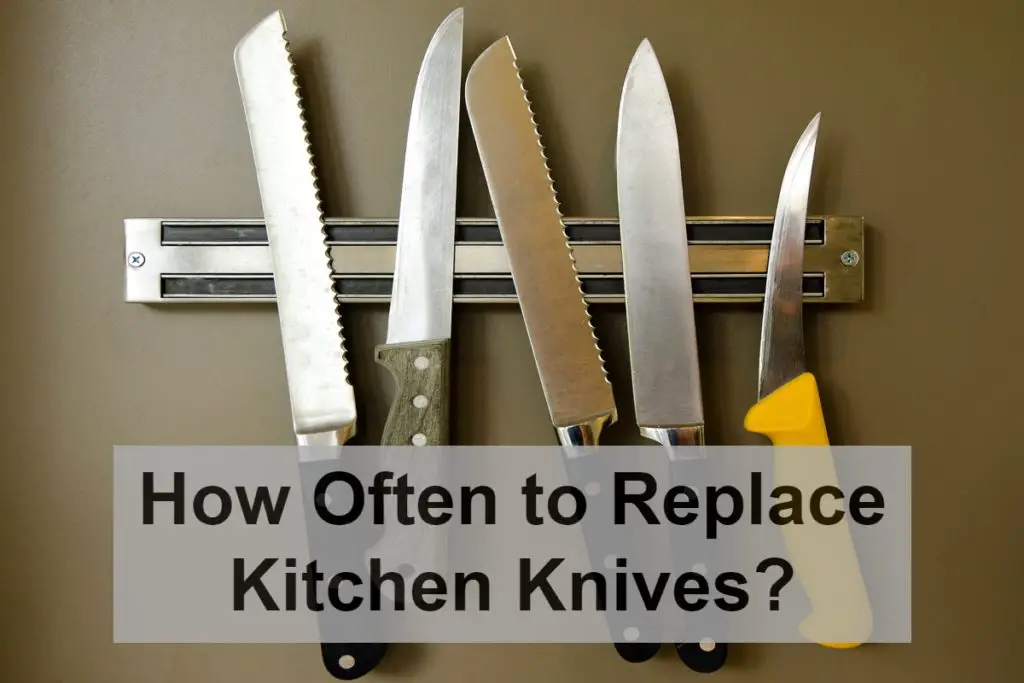
How Long Do Kitchen Knives Usually Last?
The lifespan of a kitchen knife is not the same for every user. A premium stainless steel chef knife may stay useful for decades, while a low-cost knife may lose performance after only a few years.
Kitchen Knife Replacement & Lifespan is influenced by steel quality, blade thickness, cutting frequency, and maintenance habits. Many American home cooks can use the same quality knife for 10 years or longer when they care for it correctly.
- ✦ High-quality chef knives
Professional-grade knives made from durable steel can last 15 years or more with regular sharpening.
- ✦ Everyday home kitchen knives
Most household knives provide reliable performance for around 5 to 10 years when properly maintained.
- ✦ Budget knives
Affordable knives may require replacement sooner because softer steel loses sharpness faster.
Factors That Affect Knife Lifespan
The biggest factors include blade material, cutting style, and cleaning habits. Harder steel usually keeps an edge longer, but it may require more careful handling because it can chip more easily.
- ✦ Blade material
Carbon steel, stainless steel, and high-carbon stainless steel each have different durability levels and care needs.
- ✦ Frequency of use
A restaurant chef using a knife all day will wear a blade faster than a casual home cook.
Signs It Is Time to Replace Your Kitchen Knife
A knife does not need to be replaced just because it becomes dull. Many dull blades can be restored through proper sharpening. However, some problems show that replacement is safer and more practical.
Recognizing these warning signs helps prevent accidents and improves cooking comfort. A damaged knife often requires more force, which can increase the chance of slipping during food preparation.
- ✦ Cracked or broken blade
Visible cracks, large chips, or missing sections can make a knife unsafe to use.
- ✦ Permanent dullness
If professional sharpening cannot restore the edge, the blade may have reached the end of its useful life.
- ✦ Loose handle
A damaged handle can reduce control and create safety risks while cutting.
- ✦ Rust damage
Deep rust can weaken the blade surface and affect food safety.
Dull Knife vs Worn-Out Knife
A dull knife usually needs sharpening, not replacement. A worn-out knife has deeper problems such as damaged steel, broken edges, or structural issues that sharpening cannot fix.
- ✦ Dull blade
The edge is not sharp but the knife structure remains healthy.
- ✦ Worn-out blade
The knife has physical damage that affects safety and performance.
How Proper Maintenance Extends Kitchen Knife Lifespan
Good maintenance is the easiest way to improve Kitchen Knife Replacement & Lifespan. Simple habits like hand washing, drying immediately, and storing blades safely protect the knife from early damage.
Many home cooks replace knives too soon because they overlook basic care. A few minutes of maintenance after cooking can preserve sharpness and reduce long-term costs.
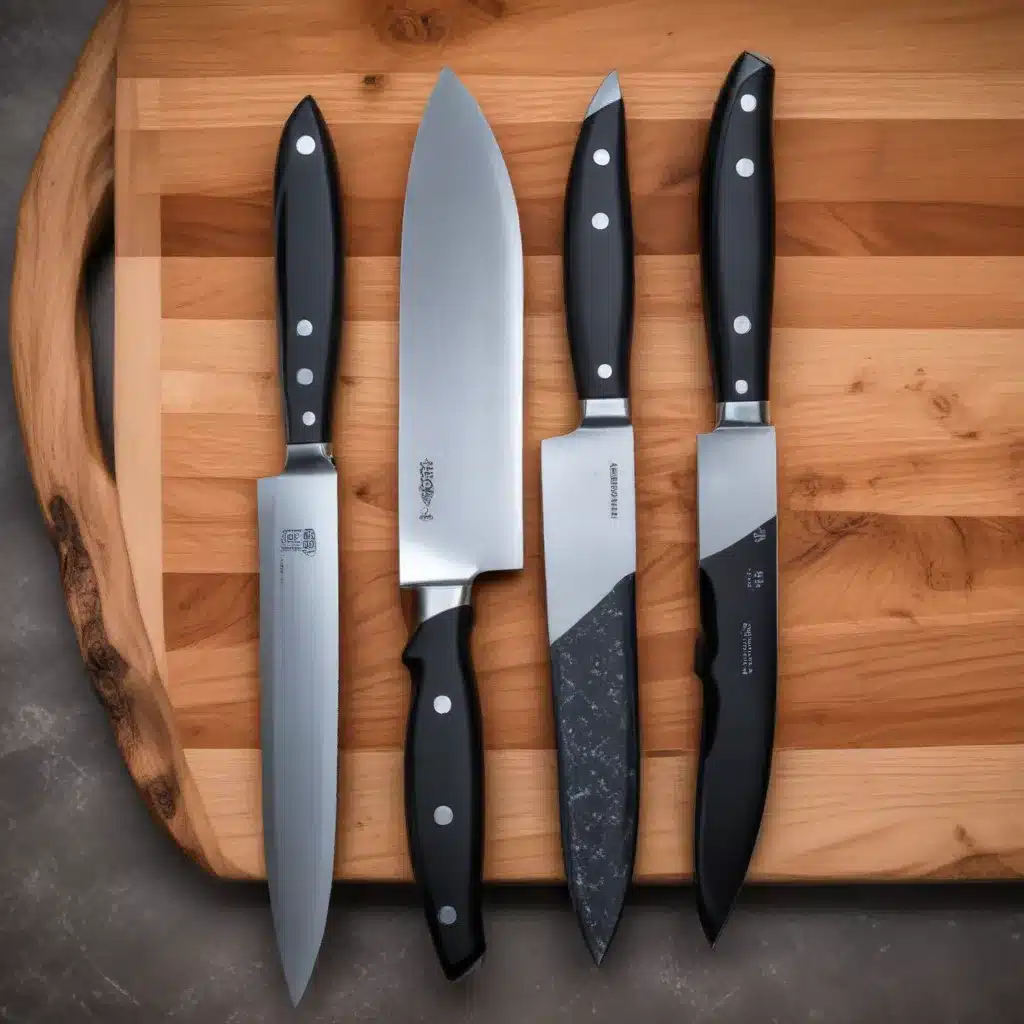
- ✦ Wash by hand
Avoid dishwashers because strong heat, detergent, and movement can damage edges and handles.
- ✦ Dry immediately
Removing moisture helps prevent rust, especially on carbon steel knives.
- ✦ Use proper storage
Knife blocks, magnetic strips, and blade guards protect edges from damage.
Sharpening and Honing Basics
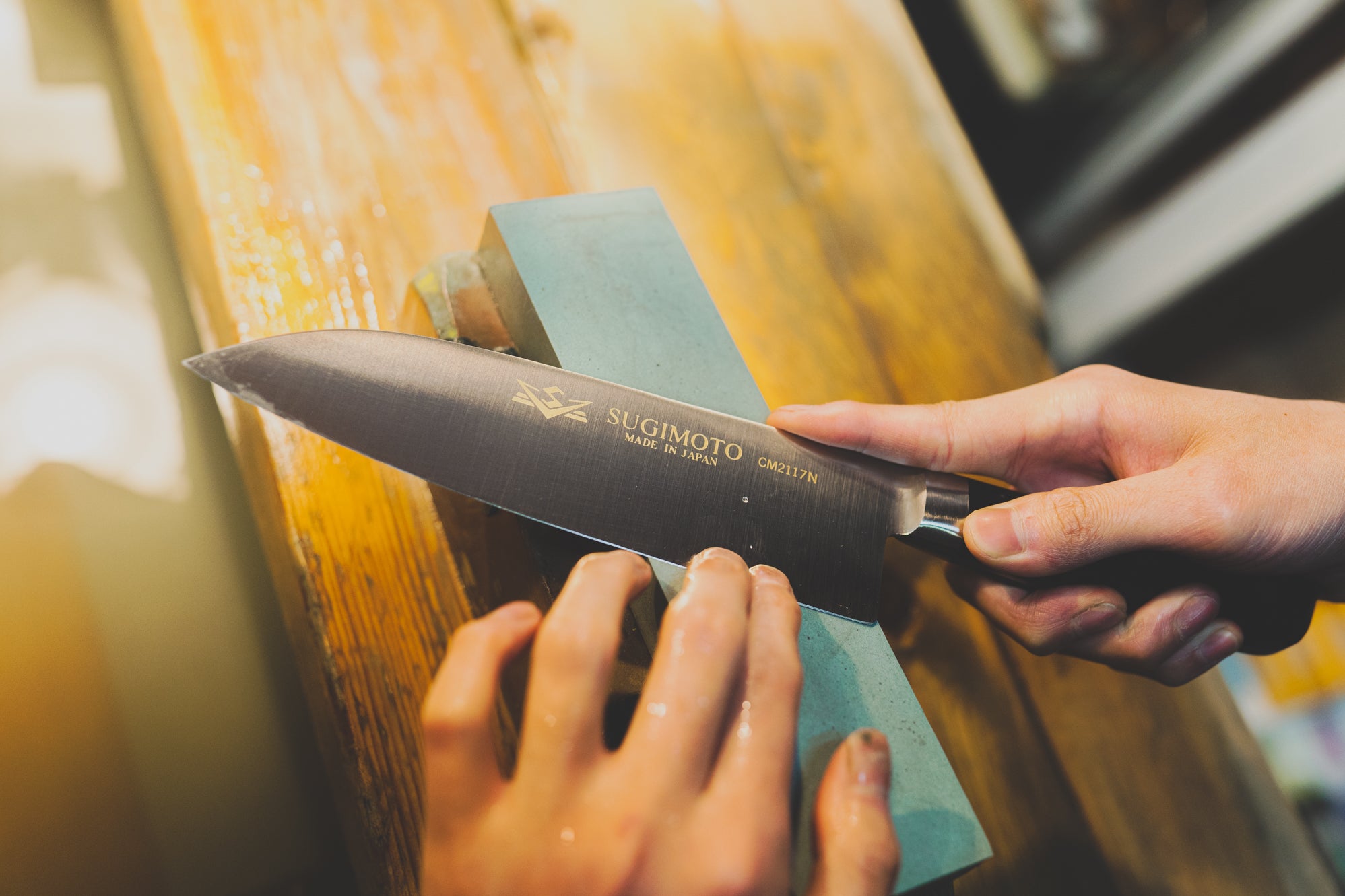
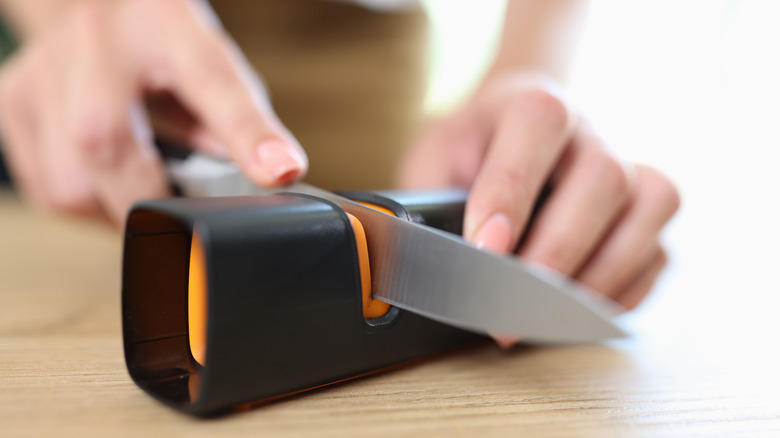
Honing realigns the knife edge and should be done regularly. Sharpening removes small amounts of metal to create a new sharp edge and is needed less often.
- ✦ Honing frequency
Many cooks benefit from honing before or after regular cooking sessions.
- ✦ Professional sharpening
Professional service can restore knives that have lost their cutting ability.
Common Mistakes That Shorten Knife Lifespan
Many damaged knives are not caused by poor manufacturing. They are damaged by everyday mistakes that slowly reduce blade performance.
Avoiding these habits can help your kitchen knives stay sharper and safer for much longer.
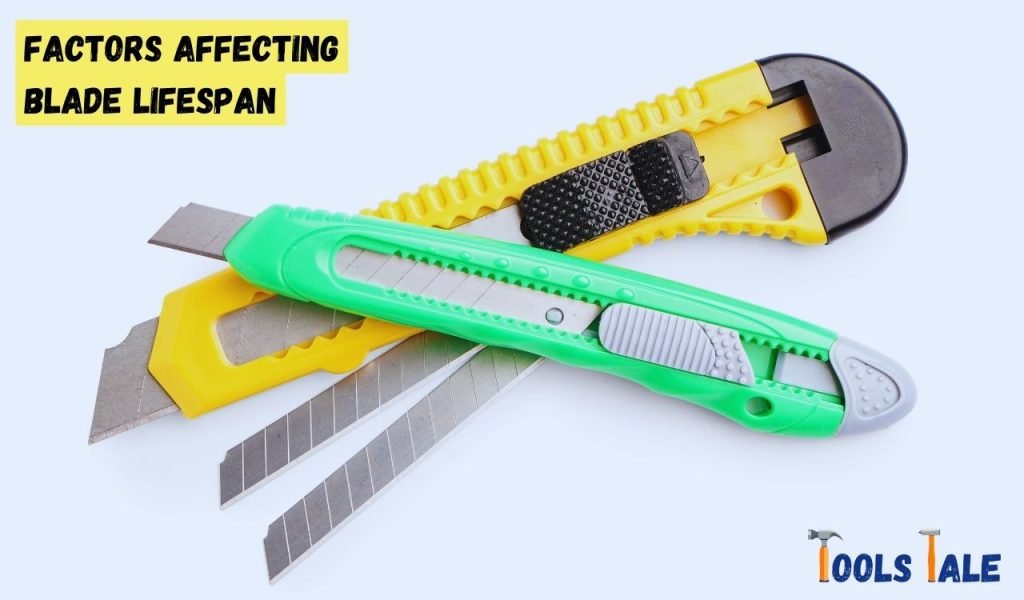
- ✦ Cutting on hard surfaces
Glass, stone, and ceramic boards can quickly damage knife edges.
- ✦ Using knives for wrong tasks
Kitchen knives should not be used to cut frozen foods, bones, or hard materials unless designed for those jobs.
- ✦ Leaving knives wet
Moisture can create corrosion and weaken blade quality over time.
Choosing a Replacement Kitchen Knife
When replacing a kitchen knife, focus on your cooking style rather than choosing the most expensive option. The right knife should feel comfortable, balanced, and suitable for your daily tasks.
Kitchen Knife Replacement & Lifespan improves when you select a blade that matches your needs and maintain it from the first day.
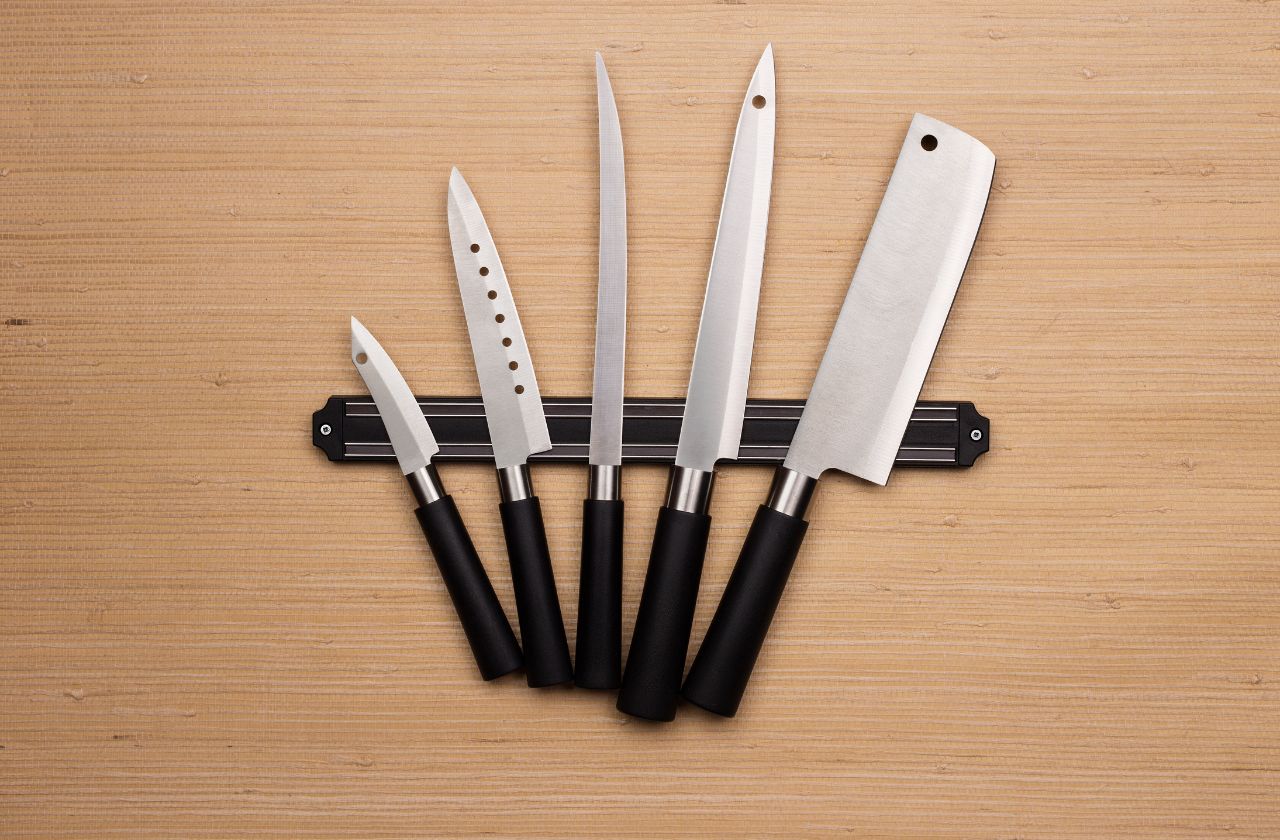
- ✦ Consider knife type
Chef knives, paring knives, bread knives, and utility knives serve different purposes.
- ✦ Check comfort
A comfortable handle and balanced weight improve control and reduce hand fatigue.
- ✦ Choose quality steel
Better steel usually provides longer edge retention and better overall performance.
Building a Long-Lasting Knife Collection
Most home kitchens do not need dozens of knives. A few high-quality tools that receive proper care can handle most cooking tasks.
- ✦ Start with essentials
A chef knife, paring knife, and bread knife cover many common kitchen needs.