Food Processor Meat & Protein Preparation: A Complete Guide to Grinding, Mixing, and Creating Protein-Rich Foods
Food Processor Meat & Protein Preparation has become a useful skill for many U.S. home cooks who want fresh ingredients and better control over their meals. A quality food processor can turn whole cuts of meat, cooked proteins, and plant-based ingredients into useful textures for many recipes.
From my experience working with kitchen preparation methods, the biggest improvement comes from understanding the machine. A food processor is not only a chopping tool. It can help create burgers, meatballs, fillings, spreads, and protein-rich meals when used with the right approach.

What Is Food Processor Meat & Protein Preparation?
Food Processor Meat & Protein Preparation means using a food processor to change meat or protein foods into a desired form. The process may include grinding raw meat, chopping cooked protein, mixing ingredients, or creating smooth protein blends.
Many American kitchens use food processors because they save time and reduce manual cutting work. They are helpful for busy families, meal planners, and cooks who prefer homemade protein dishes.
- ✦ Grinding
The processor breaks meat into small pieces for burgers, sausage mixtures, and fillings.
- ✦ Mixing
The machine combines protein with spices, vegetables, sauces, or binders.
- ✦ Texture Control
Short processing times create coarse textures, while longer times create smoother mixtures.
Why Home Cooks Use Food Processors for Protein Foods
A food processor gives cooks more control over ingredients and texture. It also makes it easier to prepare fresh meals without relying only on packaged options.
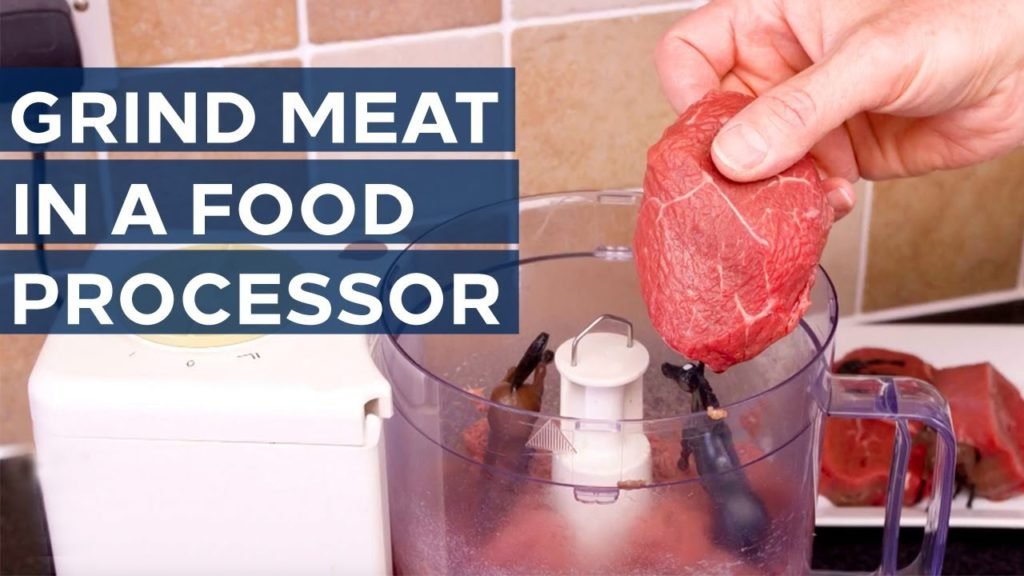
How to Grind Meat Safely in a Food Processor
Grinding meat in a food processor requires careful handling. The meat should stay cold because low temperatures help maintain texture and reduce food safety risks.
Cut meat into small cubes before processing. Work in small batches and use short pulses instead of running the machine continuously.

- ✦ Prepare the Meat
Remove unwanted parts, cut into even pieces, and chill before grinding.
- ✦ Use Pulse Settings
Short pulses prevent over-processing and help create a better texture.
- ✦ Clean Equipment
Wash blades, bowls, and surfaces after handling raw meat.
Best Meat Types for Processing
Chicken, turkey, beef, and pork can all work well in a food processor. The best choice depends on the recipe, fat level, and desired texture.
Preparing Different Protein Foods With a Food Processor
Food Processor Meat & Protein Preparation is not limited to raw meat. The same machine can help prepare fish, beans, nuts, tofu, and other protein sources.
Modern diets often include many protein choices. A food processor makes it easier to create homemade options with simple ingredients.

- ✦ Chicken and Turkey
Create patties, meatballs, and fillings with finely processed poultry.
- ✦ Fish Preparation
Make fish cakes and seafood mixtures with controlled texture.
- ✦ Plant Proteins
Blend beans, lentils, tofu, and nuts into protein-rich recipes.
Protein Meal Ideas
Common recipes include homemade burgers, kebabs, dumpling fillings, protein spreads, and meal-prep portions for weekly cooking.
Choosing the Right Food Processor for Meat Preparation
Not every food processor performs the same way with dense ingredients. A strong motor, durable bowl, and sharp blade are important features for Food Processor Meat & Protein Preparation.
Home users should select a model based on cooking habits. Small processors may work for occasional tasks, while larger models help with frequent meal preparation.

- ✦ Motor Power
A stronger motor handles tougher ingredients more easily.
- ✦ Bowl Capacity
A larger bowl helps prepare bigger meal portions.
- ✦ Blade Quality
Sharp stainless steel blades improve cutting performance.
Common Mistakes During Food Processor Meat & Protein Preparation
Many texture problems happen because users process ingredients for too long. Over-processing can create a paste-like result instead of a firm meat texture.
Good preparation habits make a major difference. Measuring ingredients, controlling processing time, and cleaning properly lead to better results.

- ✦ Overfilling the Bowl
Too many ingredients prevent even processing.
- ✦ Using Warm Meat
Warm meat may lose the ideal texture during grinding.
- ✦ Ignoring Safety Steps
Poor cleaning practices can increase contamination risks.
Improving Results Through Practice
Small adjustments often create better meals. Testing different pulse times and ingredient sizes helps cooks learn their machine.
Benefits and Limitations of Food Processor Protein Preparation
Food Processor Meat & Protein Preparation offers speed, flexibility, and ingredient control. It supports home cooking by making many protein recipes easier to prepare.
However, a food processor does not replace every kitchen tool. Large batches or commercial-level processing may require specialized equipment.
- ✦ Main Benefits
Faster preparation, fresh ingredients, and customizable textures.
- ✦ Main Limitations
Limited capacity and possible texture changes if used incorrectly.