Food Processor Overloading & Motor Protection: Causes, Prevention, and Maintenance Guide
Food Processor Overloading & Motor Protection is a key part of safe and reliable kitchen appliance use. In American homes, food processors handle many tasks, from chopping vegetables to mixing dough. These jobs can place heavy stress on the motor when the bowl is too full or the machine runs too long.
After working with kitchen equipment, one lesson stands out: most motor problems start with simple usage mistakes. A food processor is built to handle demanding tasks, but it needs correct loading, airflow, and rest periods to perform well.

What Is Food Processor Overloading & Motor Protection?
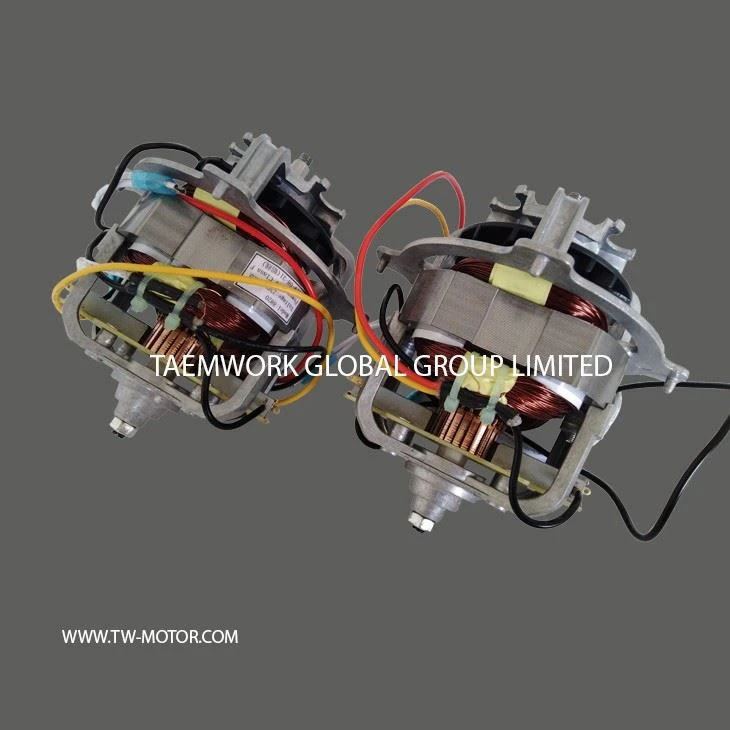
Food Processor Overloading & Motor Protection describes the systems and habits that keep a food processor motor safe during use. Overloading happens when the motor works harder than it can safely manage.
The motor may slow down, heat up, or stop when it faces too much resistance. Protection features help reduce damage by cutting power or limiting operation during unsafe conditions.
- ✦ Heavy food loads
Large amounts of dense food can create extra pressure on blades and motor parts.
- ✦ Long operation time
Running a processor without breaks can increase heat inside the motor.
- ✦ Safety systems
Thermal switches and overload protectors help prevent permanent motor failure.
Why Motor Protection Matters
A protected motor lasts longer and works more efficiently. Motor protection reduces stress on electrical parts and prevents costly repairs or replacement.
Common Causes of Food Processor Motor Overloading
Food Processor Overloading & Motor Protection problems often begin with incorrect preparation. Users may push the machine beyond its design limits without noticing the warning signs.
Understanding common causes makes it easier to avoid damage and maintain steady performance.

- ✦ Overfilled bowls
Adding too much food prevents blades from moving freely and increases motor strain.
- ✦ Hard ingredients
Frozen foods, large nuts, and tough vegetables can create high resistance.
- ✦ Blocked blades
Food stuck around blades can slow movement and force the motor to work harder.
- ✦ Wrong speed setting
Using low speed for heavy jobs may cause unnecessary motor stress.
Signs Your Food Processor Is Overloaded
Common warning signs include unusual noise, slow blade movement, hot smells, and sudden shutdowns. These signals show that the motor needs a break.
- ✦ Reduced power
A weak spinning blade may indicate excessive load pressure.
- ✦ Heat buildup
A warm motor housing after short use can signal overload.
How Food Processor Motor Protection Systems Work
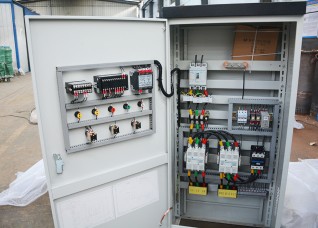
Modern Food Processor Overloading & Motor Protection systems use several methods to guard the appliance. These systems monitor heat, electrical flow, and motor stress.
When the processor detects unsafe conditions, protection features may stop operation until the motor cools down.
- ✦ Thermal overload protection
This feature shuts down the motor when internal temperatures become too high.
- ✦ Automatic reset systems
Some models restart after cooling, while others require manual action.
- ✦ Strong motor design
Quality motors are built to handle repeated kitchen tasks safely.
Electrical Safety and Motor Longevity
Good electrical protection helps prevent damage from excess current. It also supports safer daily use in busy kitchens.
Best Practices to Prevent Food Processor Overloading
Preventing overload is easier than repairing a damaged motor. Small changes in daily use can protect your food processor and improve performance.
Food Processor Overloading & Motor Protection depends on balanced use, proper preparation, and regular care.

- ✦ Follow capacity limits
Keep food below the recommended fill line to reduce motor pressure.
- ✦ Cut large foods first
Smaller pieces allow blades to work with less resistance.
- ✦ Allow cooling breaks
Pause between heavy tasks to reduce heat buildup.
- ✦ Clean blades regularly
Sharp and clean blades reduce unnecessary motor effort.
Using a Food Processor for Heavy Tasks
Tasks like dough mixing and nut grinding require more power. Use short pulses instead of long continuous runs for better motor control.
How to Troubleshoot an Overloaded Food Processor
When a food processor stops during use, avoid forcing it back on immediately. Most overload situations need time to cool before testing again.
A simple inspection can often identify whether the problem is temporary or requires professional repair.
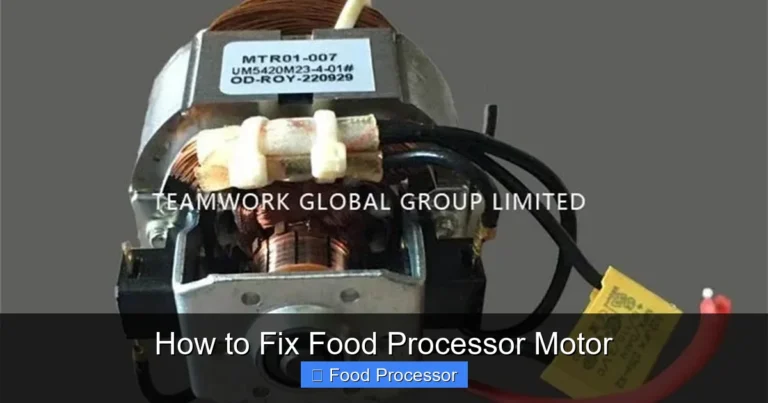
- ✦ Turn off the appliance
Disconnect power and allow the motor to cool completely.
- ✦ Check the bowl and blade
Remove excess food and clear any blockage.
- ✦ Inspect unusual symptoms
Burning smells or repeated shutdowns may require service.
When Replacement May Be Needed
If the motor fails repeatedly after normal use, internal components may be worn. A qualified technician can check whether repair or replacement makes sense.