Safety & Replacement: When to Replace Safety Equipment and How to Stay Safe
Safety & Replacement is not only about buying new gear. It is about knowing when an item can no longer do its job well. A hard hat, safety harness, glove, safety shoe, eye protector, or other piece of PPE may look usable while hidden damage has already reduced its value.
A good Safety & Replacement plan starts with simple checks. Look at the item before use, follow the manufacturer’s care rules, and remove damaged equipment from service. In the United States, workplace PPE may also need to meet OSHA requirements and other rules that apply to the job.
In practice, the safest approach is simple: inspect first, use the gear as intended, clean and store it well, and replace it when its protection is in doubt. The cost of a new safety item is small compared with the risk of relying on gear that may fail when it matters most.
What Does Safety & Replacement Mean?
Safety & Replacement means keeping protective equipment and safety parts in a condition where they can still protect people as intended. It covers inspection, cleaning, repair where allowed, storage, removal from service, and final replacement.
Replacement does not always mean an item has reached a certain age. Some products need replacement after one serious event. Others may last for years when cared for correctly. The right decision depends on the product, its condition, use, storage, and the manufacturer’s instructions.
A simple rule helps: if you cannot trust the item to provide its required protection, do not use it until a qualified person confirms that it is safe or replaces it.
- ✦ Inspect
Check the item before use for cracks, cuts, tears, loose parts, heavy wear, missing pieces, and other signs of damage.
- ✦ Maintain
Clean, store, and care for the equipment as the manufacturer directs.
- ✦ Replace
Remove equipment from service when it is damaged, worn out, contaminated, expired, or otherwise unable to provide the needed protection.
Why Replacement Matters
Safety gear works by controlling a hazard. A damaged item may not control that hazard in the same way. A cracked shell may weaken a hard hat. A cut strap may reduce the strength of a harness. A badly scratched lens may reduce clear vision.
The key point is that appearance alone does not prove safety. Use the inspection rules for the exact product, and replace the item when the maker or workplace safety program says it should be removed.
- ✦ Protection can change
A product may lose protective value after impact, heat exposure, chemicals, sunlight, moisture, or repeated use.
- ✦ Small damage can matter
Cuts, cracks, broken fasteners, stretched elastic, and missing parts can affect how safety equipment works.
When Should Safety Equipment Be Replaced?
There is no single replacement date for every type of safety equipment. A replacement schedule should consider the product instructions, work conditions, inspection results, and any event that may have harmed the item.
Some equipment has a stated service life. Other items use condition-based replacement. This means the item stays in use while it passes required checks and is replaced when it no longer meets the needed condition.
Do not create a replacement date from guesswork. Check the product label, manual, technical data, and workplace safety rules. If the instructions are unclear, contact the manufacturer or a qualified safety professional.
- ✦ Visible damage
Replace equipment with cracks, deep cuts, tears, broken parts, holes, severe abrasion, or other damage that can affect protection.
- ✦ After a major event
Follow the manufacturer’s rules after a fall, impact, electrical event, chemical exposure, or other event that may have affected the equipment.
- ✦ End of service life
Replace items when the manufacturer gives a service-life limit or retirement date and that limit has been reached.
- ✦ Poor fit or function
Replace gear that no longer fits correctly, stays secure, closes properly, or performs its intended function.
- ✦ Contamination
Remove and replace equipment when contamination cannot be safely cleaned or may have changed the material or protective function.
Age Is Only One Part of the Decision
Older equipment is not automatically unsafe, and newer equipment is not automatically safe. A product used every day in harsh conditions may wear faster than one used rarely in clean conditions.
Age still matters when the manufacturer sets a service life. Keep the purchase date, first-use date, or other required record when the product instructions call for it.
- ✦ Check the maker’s instructions
Use the exact service-life and inspection guidance supplied for the product.
- ✦ Consider the work setting
Heat, chemicals, sunlight, moisture, dust, impact, and heavy use can affect equipment over time.
How to Inspect PPE Before Replacement
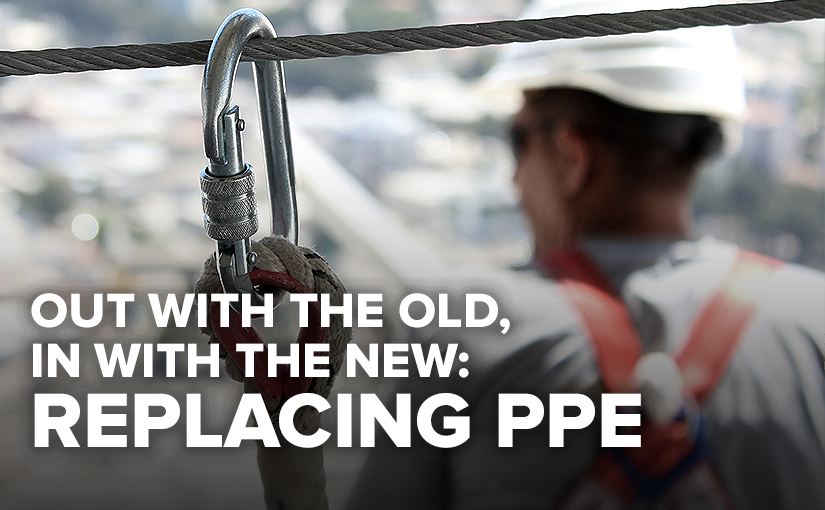
A good inspection should be easy to repeat. Start with the outside, then check each working part. Look for anything that could reduce strength, fit, visibility, movement, or protection.
Do not rush this check. A few seconds can reveal a torn strap, loose buckle, cracked shell, worn sole, damaged lens, or other problem. If you find a serious defect, stop using the item and follow your workplace process for removal and replacement.
Inspection is also a useful time to check labels and markings. Some PPE has product information, standards markings, lot numbers, or dates that help identify the item and confirm that it is suitable for the task.
- ✦ Look
Check for cracks, tears, cuts, holes, burns, distortion, corrosion, heavy wear, and missing parts.
- ✦ Touch
Check for unusual stiffness, brittleness, soft spots, broken edges, loose parts, or changes in material condition.
- ✦ Test normal functions
Check closures, straps, buckles, adjustment parts, shields, lenses, and other working parts according to the product instructions.
- ✦ Check fit
Make sure the equipment fits correctly and can stay in the required position during normal work.
- ✦ Read the label
Confirm that the item is the correct type and that required markings and product information are present.
Common Warning Signs
Warning signs vary by product. For soft goods, look for cuts, fraying, broken stitching, burns, chemical damage, or unusual wear. For hard products, look for cracks, deformation, broken fittings, or other changes.
For eye protection, inspect lenses and frames. For footwear, check the sole, upper material, toe protection, and closure system. When a part is replaceable, use only approved replacement parts that match the product.
- ✦ Do not hide damage
Do not paint over cracks, cover damaged areas, or make an unapproved repair just to keep equipment in service.
- ✦ Separate damaged gear
Mark or isolate unsafe equipment so another worker does not pick it up by mistake.
Safety & Replacement for Common Types of PPE
Different PPE needs different checks. A replacement rule that works for safety glasses may not work for a harness or hard hat. The safest plan treats each product according to its design and instructions.
Workers should know what damage matters for the equipment they use. Employers should also provide the information, training, and inspection process needed for the job and applicable U.S. workplace rules.
Hard Hats and Helmets
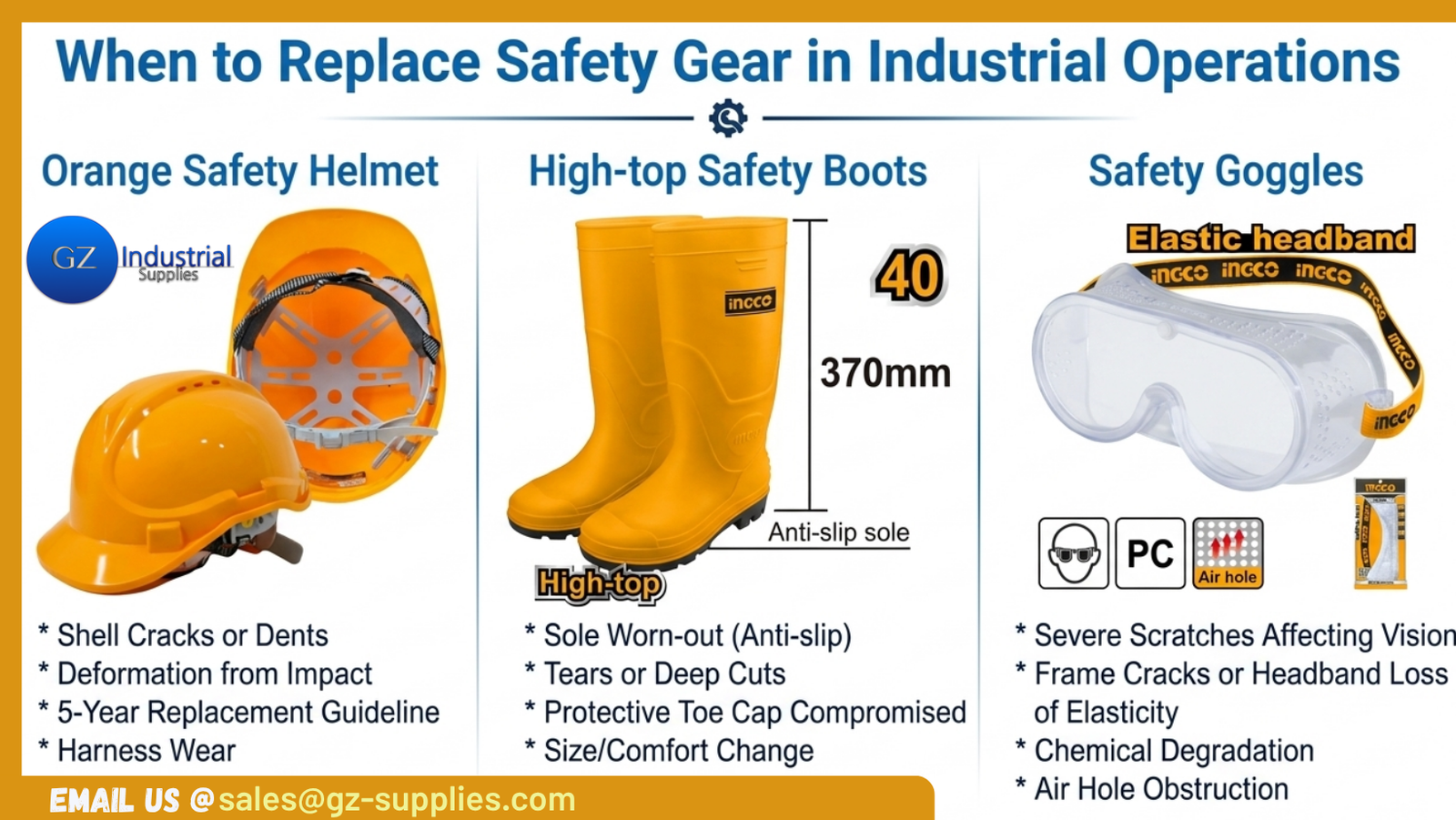
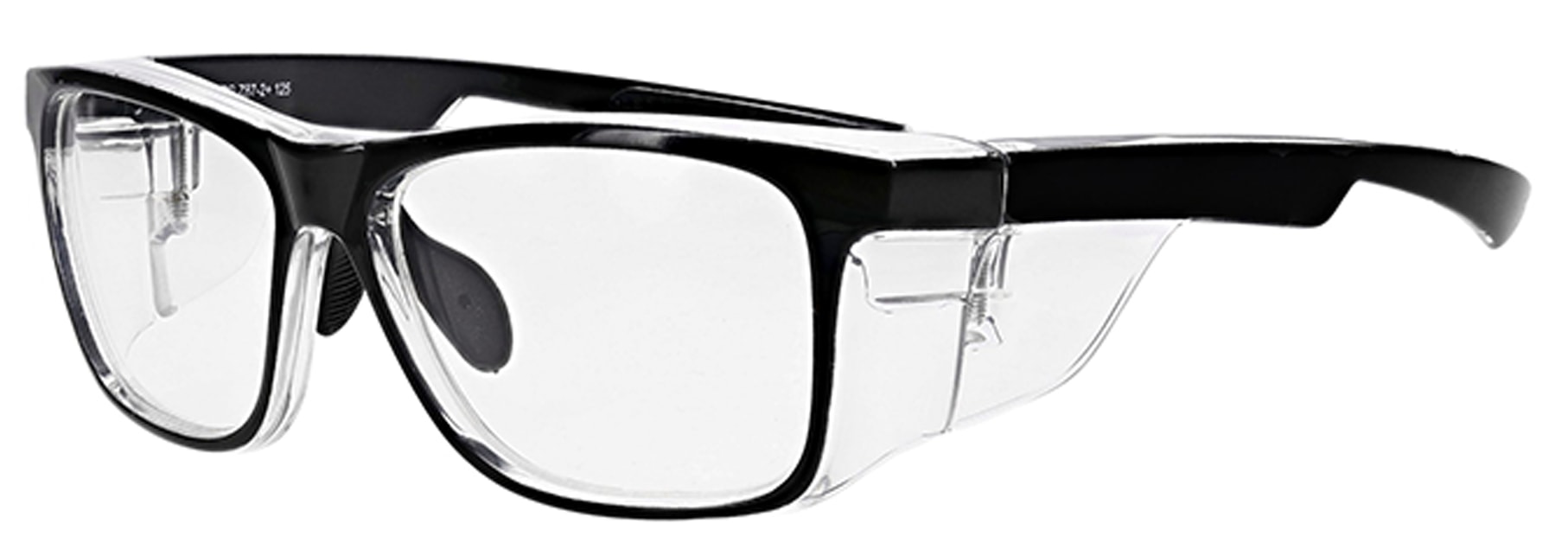
Inspect the shell for cracks, dents, cuts, deformation, or other damage. Check the suspension or other internal parts for wear, damage, and correct attachment.
Replace the helmet when the manufacturer requires it or when damage or a serious impact means it should be removed from service. Do not assume a hard hat remains safe simply because the shell still looks normal.
- ✦ Check the shell
Look for cracks, dents, distortion, cuts, and signs of chemical or heat damage.
- ✦ Check the suspension
Inspect straps, clips, adjustment parts, and attachment points for wear or damage.
Safety Harnesses and Fall Protection
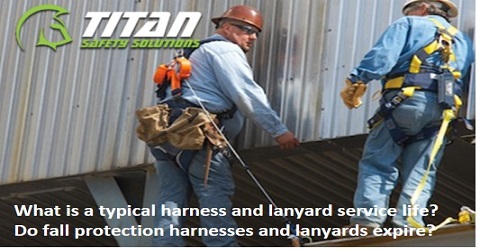
Fall protection equipment needs careful inspection because a failure can have severe consequences. Look closely at webbing, stitching, buckles, connectors, labels, and other parts listed in the manufacturer’s inspection instructions.
After a fall or other event that loads the system, follow the manufacturer’s rules for removal from service and inspection. Never put equipment back into use based only on a quick visual check.
- ✦ Inspect webbing
Look for cuts, burns, fraying, chemical damage, excessive wear, and other changes.
- ✦ Inspect hardware
Check buckles, rings, connectors, and other hardware for damage, deformation, corrosion, or improper function.
Safety Glasses and Goggles
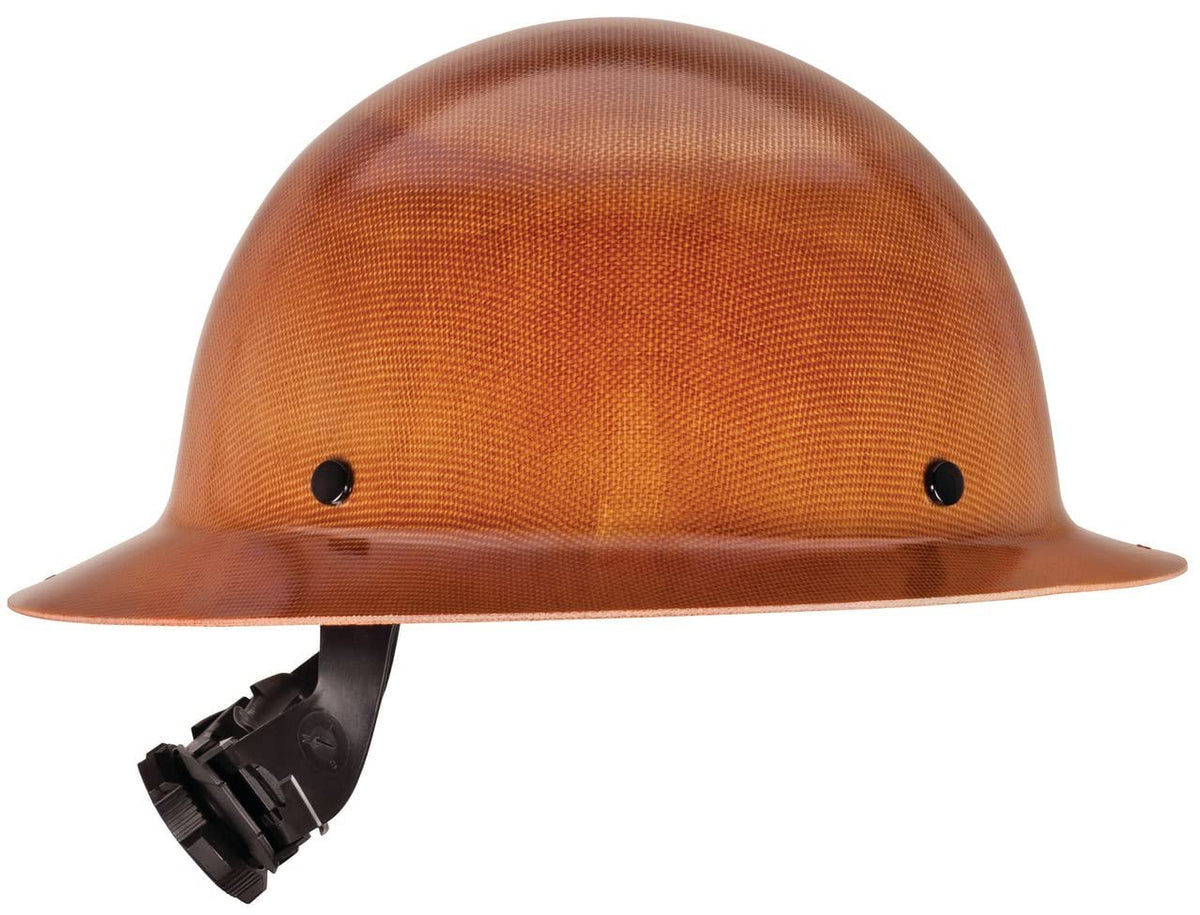
Eye protection should provide a clear field of view and stay in place during work. Replace lenses when damage, heavy scratches, cracks, clouding, or other defects interfere with protection or vision.
Some products allow approved lens or component replacement. Use parts designed for that exact product. A makeshift lens or unapproved component can change how the eye protection performs.
- ✦ Check the lens
Look for cracks, deep scratches, clouding, or other damage that affects vision or protection.
- ✦ Check the frame
Make sure the frame, arms, seals, and other parts remain secure and functional.
Safety Gloves
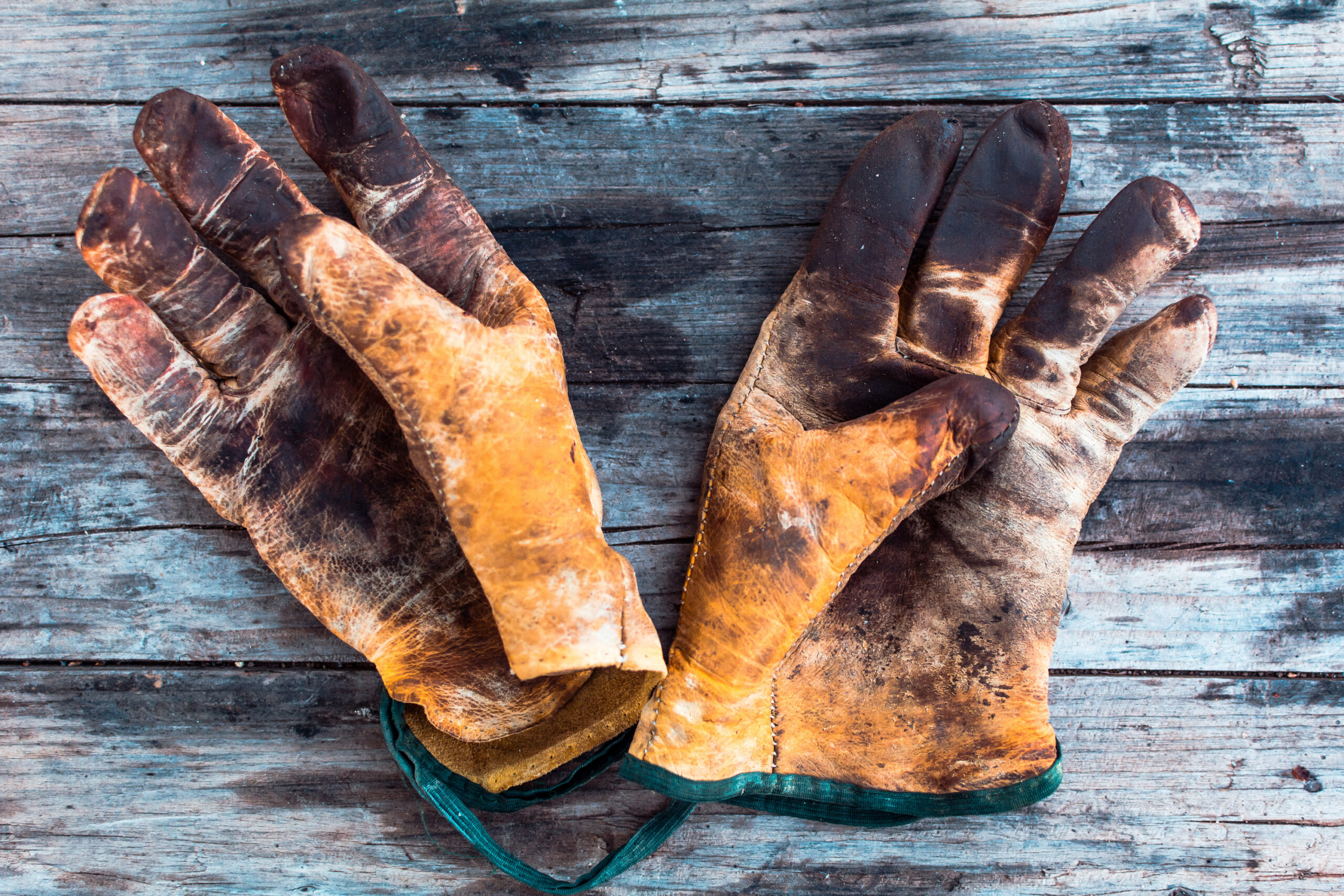
Gloves wear at different rates based on the task. Check for holes, cuts, tears, worn fingertips, damaged seams, hardening, swelling, or chemical damage.
A glove that looks fine may still be unsuitable after chemical exposure or heavy wear. Follow the glove manufacturer’s instructions for the specific hazard and material.
- ✦ Check the material
Look for cuts, holes, thinning, stiffness, swelling, discoloration, or other changes.
- ✦ Check the task
Make sure the glove still matches the hazard, chemical, temperature, or mechanical task involved.
Safety Shoes and Boots
Footwear can lose protection as the sole wears down and materials break down. Check the sole, upper, seams, toe area, closure system, and any protective features required for the job.
Replace footwear when damage or wear affects fit, stability, traction, water resistance, toe protection, or another required feature. Do not wait for a large hole if the shoe has already stopped doing its safety job.
- ✦ Check the sole
Look for severe wear, separation, cracks, or loss of traction.
- ✦ Check the upper
Look for tears, broken seams, exposed areas, and other damage.
Replacement Parts: Repair or Replace the Whole Item?
Some safety products have approved replaceable parts. Examples can include helmet suspension systems, lenses, straps, pads, filters, or other components. Replacing one part can make sense when the manufacturer designed the product for that service.
The important point is compatibility. Use parts approved by the product manufacturer and follow the installation instructions. A part that fits physically may still fail to provide the same level of protection.
When the main product is damaged, expired, contaminated, or otherwise retired, replacing a small part may not make it safe again. When in doubt, remove the item from service and check the manufacturer’s guidance.
- ✦ Use approved parts
Choose replacement parts made or approved for the exact product and model.
- ✦ Follow installation instructions
Install parts as directed and check that the finished product works as intended.
- ✦ Know when not to repair
Do not repair a product when the manufacturer says to retire it or when the damage affects a critical protective component.
- ✦ Keep records
Record important replacements so users and supervisors can track equipment condition.
Why Unapproved Repairs Can Be Risky
Safety equipment is designed as a system. Changing one part can affect strength, fit, movement, or another protective feature. Tape, glue, generic straps, drilled holes, or other homemade fixes may change how the item performs.
A repair that looks strong is not proof that the equipment is safe. Follow the maker’s instructions and use an approved repair service when one is available.
- ✦ Do not improvise
Avoid homemade changes that the manufacturer does not approve.
- ✦ Use trained help
For products that require specialized inspection or repair, use the manufacturer or a qualified person.
How to Build a Simple Safety & Replacement Program
A Safety & Replacement program does not need to be hard to manage. Start with an equipment list and identify which items each worker uses. Then define how each item should be inspected, cleaned, stored, repaired, and replaced.
A written process helps prevent two common problems: keeping unsafe equipment too long and replacing good equipment without a clear reason. It also makes training easier because workers have a simple process to follow.
For U.S. workplaces, the program should fit the hazards of the job and the applicable OSHA requirements. Employers should also check manufacturer instructions and any other rules that apply to their industry.
- ✦ Create an equipment list
Record the type, model, user, purchase or first-use information when needed, and other useful identification details.
- ✦ Set inspection points
Define when workers inspect equipment and when a more detailed inspection is required.
- ✦ Define removal rules
State what damage or events require equipment to be removed from service.
- ✦ Plan replacements
Keep replacement stock for important PPE so workers are not tempted to keep using damaged gear.
- ✦ Train workers
Show workers how to inspect, use, clean, store, and report problems with their equipment.
Keep a Replacement Log
A simple log can show when an item entered service, when it was inspected, what problem was found, and when it was replaced. This is useful for teams that manage many workers or many types of PPE.
Digital records can work well, but a paper log can also be effective. The goal is not the software. The goal is a clear record that helps people make safe decisions.
- ✦ Record the reason
Note whether replacement followed damage, normal wear, contamination, age, loss, or another reason.
- ✦ Track repeat problems
Frequent replacement of the same item may show a training, storage, fit, or equipment-selection problem.
How Storage and Maintenance Affect Replacement Needs
Good storage can help safety equipment last as intended. Poor storage can speed up damage. Heat, direct sunlight, moisture, chemicals, sharp edges, dirt, and crushing can all affect some types of PPE.
Cleaning also matters. Use only the cleaning methods and products recommended for the equipment. A cleaner that works on one material may damage another.
Keep safety equipment away from hazards when it is not in use. Store it so that it does not become crushed, bent, soaked, contaminated, or exposed to conditions that the manufacturer warns against.
- ✦ Keep gear clean
Clean equipment according to the manufacturer’s instructions and avoid products that can damage its materials.
- ✦ Control heat and sunlight
Store products away from damaging heat and direct sunlight when the instructions require it.
- ✦ Keep chemicals away
Prevent contact with chemicals or substances that can damage the equipment.
- ✦ Prevent crushing
Store helmets, eye protection, harnesses, and other gear so they do not become crushed or deformed.
Maintenance Does Not Cancel Replacement
Cleaning and care can help equipment remain useful, but maintenance cannot restore every damaged item. Once a product reaches a retirement condition, no amount of cleaning makes it new again.
Think of maintenance as protection for the equipment and replacement as the final safety control when that equipment can no longer meet its intended role.
- ✦ Care helps
Proper cleaning and storage can reduce avoidable wear.
- ✦ Care has limits
Maintenance cannot safely reverse every form of damage, aging, or contamination.
Common Safety & Replacement Mistakes to Avoid
Many replacement mistakes come from simple habits. Workers may keep using an item because the damage looks small, or they may replace a part without checking whether it is approved. These choices can weaken a safety program.
A strong Safety & Replacement process makes the safe choice easy. Workers should know what to check, what damage means, who to tell, and where to get a replacement.
- ✦ Waiting for complete failure
Do not wait until safety equipment breaks before replacing it. Replace it when inspection shows that protection may be reduced.
- ✦ Using age as the only rule
Do not assume every item has the same life. Use the manufacturer’s service-life and inspection guidance.
- ✦ Ignoring small damage
A small crack, cut, tear, or broken component may matter depending on the product.
- ✦ Mixing parts
Do not combine parts from different products unless the manufacturer approves the combination.
- ✦ Poor storage
Do not leave protective equipment in places where heat, chemicals, sunlight, moisture, or crushing can damage it.
- ✦ Failing to report problems
Workers should report damaged or questionable equipment right away rather than putting it back into shared storage.
When in Doubt, Remove It From Service
If you cannot tell whether a safety item is still reliable, take it out of service until the issue is resolved. This is especially important for equipment that protects against falls, impacts, electrical hazards, chemicals, or other serious risks.
The next step may be an inspection by a qualified person, a manufacturer’s review, or replacement. The exact process depends on the equipment and workplace rules.
- ✦ Tag it
Clearly identify equipment that should not be used.
- ✦ Separate it
Keep questionable equipment away from ready-to-use gear.
Safety & Replacement Checklist for U.S. Consumers and Workplaces
A short checklist can make Safety & Replacement part of a normal routine. Use it before work, after unusual events, and during scheduled equipment reviews.
For workplace use, adapt the checklist to the specific hazard and product. Manufacturer instructions and applicable regulations should always take priority over a general checklist.
- ✦ Before use
Check the item for visible damage, correct fit, missing parts, and normal function.
- ✦ After an incident
Follow the product’s instructions after an impact, fall, chemical exposure, or other event that may affect protection.
- ✦ During cleaning
Use only approved cleaning methods and inspect the item again after cleaning.
- ✦ During storage
Keep equipment protected from conditions that can damage its materials or change its shape.
- ✦ During replacement
Choose the correct product or approved replacement part and check that it is suitable for the task.
- ✦ After replacement
Remove the old item from service and update the equipment record when a record is required.
A Practical Decision Test
Ask three simple questions: Is the item in good condition? Is it still suitable for the hazard? Does it meet the manufacturer’s instructions and required workplace rules? If the answer to any key question is no, stop and resolve the issue before use.
This simple habit can make replacement decisions much clearer. It also shifts the focus from guessing how old a product is to checking whether it can still provide the protection the job requires.
- ✦ Condition
Is there damage, unusual wear, contamination, or another defect?
- ✦ Suitability
Is this the right equipment for the current hazard and task?
- ✦ Compliance
Does it meet the manufacturer’s instructions and applicable workplace requirements?